How to Measure Sticky Liquids Like Honey, Molasses, and Maple Syrup
"Pro tricks to prevent honey sticking to measuring tools, and why weighing directly into the bowl is easiest."
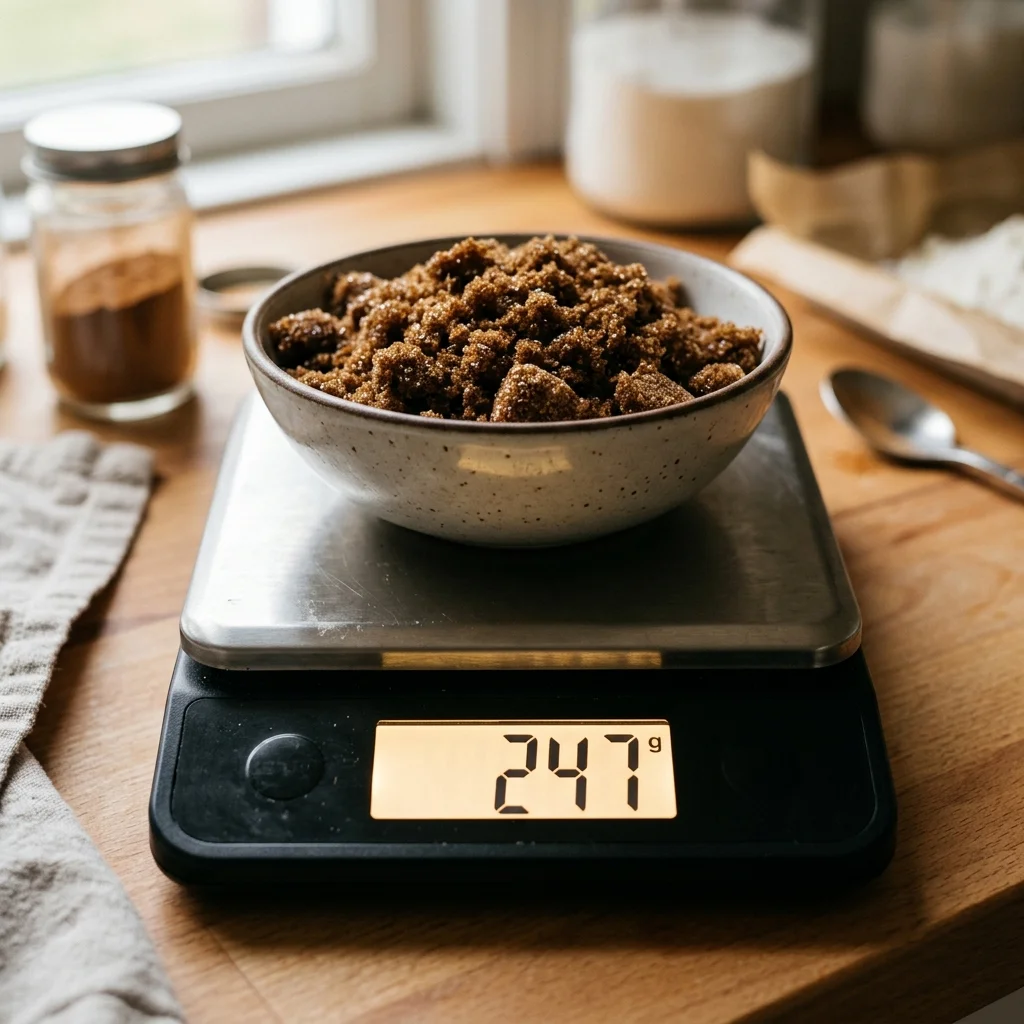
Measuring viscous liquid sweeteners like wildflower honey, blackstrap molasses, pure maple syrup, agave nectar, and corn syrup with traditional volume cups is one of the most common causes of baking inconsistencies in home kitchens. High viscosity causes thick syrups to cling to measuring walls, leaving behind 10% to 20% of the required ingredient and altering recipe sweetness, moisture, and chemical browning.
Unlike water or milk, liquid sweeteners have high specific gravities ranging from 1.33 g/ml to 1.43 g/ml. In this guide, we break down exact density standards from USDA FoodData Central, explore why volume measuring fails for viscous syrups, explain the zero-waste direct-bowl weighing technique on a digital scale, and provide foolproof non-stick kitchen hacks when volumetric cups are your only option.
Look up exact density ratios in Honey Grams to Cups, explore the Sugar & Sweetener Conversions Hub, calculate spoonfuls with the Tablespoons to Grams Calculator, and check staple densities in Honey Conversions.
Master Density & Weight Table for Viscous Sweeteners
The reference matrix below outlines verified weights for 1 US Customary Cup, 1 Metric Cup, 1 Tablespoon, and specific gravity metrics across the five primary baking liquid sweeteners:
| Liquid Sweetener | 1 US Cup (Weight) | 1 Metric Cup (250ml) | 1 Tablespoon (g) | Specific Gravity / Density |
|---|---|---|---|---|
| Wildflower / Clover Honey | 340g | 359g | 21.3g | 1.42 g/ml (42% denser than water) |
| Dark / Blackstrap Molasses | 336g | 355g | 21.0g | 1.41 g/ml (Heavy sugar concentration) |
| Light / Dark Corn Syrup | 340g | 359g | 21.3g | 1.42 g/ml (Glucose-fructose syrup) |
| Agave Nectar (Light/Amber) | 330g | 348g | 20.6g | 1.39 g/ml (Fructose-rich syrup) |
| Pure Grade A Maple Syrup | 315g | 332g | 19.7g | 1.33 g/ml (Higher moisture content) |
For complete ingredient-by-ingredient conversion tables, consult our Master Cups to Grams Baking Conversion Guide and browse our Sugar Conversion Guide: Granulated, Powdered, and Brown.
Why Volume Measurement Fails for Viscous Liquids
When you measure thin liquids like water, skim milk, or vegetable oil in a liquid measuring cup, the fluid pours smoothly with minimal residue adhering to the glass. However, viscous sweeteners behave fundamentally differently under fluid dynamics:
- Boundary Layer Clinging: High viscosity causes a thick syrup film to cling to the inner surface of measuring cups. Scrapers cannot completely extract this residue, resulting in up to 30g of lost sweetener.
- Meniscus Distortion: Thick syrups form a steep, concave meniscus that makes reading liquid line markers at eye level inaccurate.
- Air Bubble Entrapment: Pouring cold honey or refrigerated molasses traps large air bubbles beneath the surface, inflating volume measurements without adding true ingredient mass.
The Direct-Bowl Weighing Method (Zero Waste, Zero Mess)
The single most efficient and accurate method to measure sticky sweeteners is weighing them directly into your mixing bowl using a digital scale. Follow this simple 4-step process:
- Place your mixing bowl on the scale: Place your main mixing bowl containing dry ingredients or wet batters directly onto your digital kitchen scale platform.
- Press the Tare / Zero button: Reset the digital display to
0g. - Pour sweetener slowly: Pour honey, molasses, or maple syrup directly from its bottle or jar into the mixing bowl until the display reaches your exact target gram weight (e.g. 170g for 1/2 cup of honey).
- Stop without scraping: Because 100% of the syrup lands in the bowl, zero sweetener is wasted and no measuring utensils need washing.
To master scale operation, read our Step-by-Step Guide: How to Use a Digital Kitchen Scale for Baking. If you are shopping for a new scale, check out our tested recommendations in Top 5 Best Kitchen Digital Scales for Baking Precision in 2026.
The Oil Coating Trick (Volumetric Fallback)
If you do not have a digital scale and must use dry measuring cups or measuring spoons, use the professional test kitchen oil barrier hack:
- Lightly coat the measuring cup: Spray the inside of your metal measuring cup or measuring spoon with a light mist of neutral cooking spray, or wipe the interior with a drop of vegetable oil using a paper towel. (If your recipe already calls for oil or melted butter, measure that first in the same cup).
- Pour the viscous sweetener: Fill the oiled cup to the level rim.
- Pour cleanly into batter: Tip the cup over your bowl. The oil barrier breaks surface tension, allowing the honey or molasses to slide out cleanly without leaving residue.
For more comparisons between measurement tools, read our detailed guide on Liquid Measuring Cups vs Dry Measuring Cups: Which Should You Use?.
Substituting Liquid Sweeteners for Granulated Sugar
Liquid sweeteners cannot be substituted 1:1 by volume for dry granulated sugar because honey and maple syrup contain approximately 17% to 33% water. When substituting liquid sweeteners for granulated white sugar, follow these basic formula rules:
- Reduce Other Liquids: For every 1 cup (340g) of honey substituted for sugar, reduce other recipe liquids (such as milk or water) by 3 to 4 tablespoons (45ml to 60ml).
- Lower Oven Temperature: Honey and molasses contain fructose, which caramelizes at lower temperatures. Reduce oven baking temperature by 25°F (15°C) to prevent premature crust scorching.
- Add Baking Soda: Honey and molasses are naturally acidic (pH 3.9 to 5.5). Add 1/2 teaspoon of baking soda per cup of honey to neutralize acidity unless the recipe already includes chemical bases. Learn how leaveners interact in Baking Powder vs Baking Soda: Chemical Reactions and Substitution.
Frequently Asked Questions
1. How many grams is 1 cup of honey?
One US Customary Cup of honey weighs 340 grams. One metric cup (250ml) of honey weighs 359 grams. One tablespoon of honey weighs 21.3 grams.
2. How many grams is 1 cup of molasses?
One US Customary Cup of dark or blackstrap molasses weighs 336 grams. One tablespoon of molasses weighs 21.0 grams.
3. How many grams is 1 cup of maple syrup?
One US Customary Cup of pure Grade A maple syrup weighs 315 grams. Maple syrup is slightly less dense than honey because of higher water content.
4. Why is weighing honey better than using a measuring cup?
Weighing honey directly on a digital kitchen scale eliminates measuring cup clinging, avoids under-measuring up to 20%, and prevents sticky kitchen messes.
Interactive Sugar & Sweetener Converter
Convert grams to cups for granulated, brown, powdered sugars, and syrups.
Interactive Sugar & Sweetener Converter
Convert grams to cups for granulated, brown, powdered sugars, and syrups.
Custom package weights override standard database densities for this session without altering official database records.
Need Full Density Reference Tables?
Explore complete g/cup density tables, USDA ratios, and measurement tools.
Related Baking Guides
How to Measure Brown Sugar: Lightly Packed vs Firmly Packed vs Grams
Learn how to measure brown sugar correctly, including packed, lightly packed, and gram measurements, plus light vs dark brown sugar conversions.
Sugar ConversionsSugar Conversion Guide: Granulated, Powdered, Light & Dark Brown
Convert granulated, powdered, light brown, and dark brown sugar from cups to grams with accurate baking tables and packing instructions.