Baking Powder vs Baking Soda: Weight Ratios, Potency, and Substitution
"Learn the difference between baking powder and baking soda, how acid affects each, when recipes use both, and safe substitution ratios."
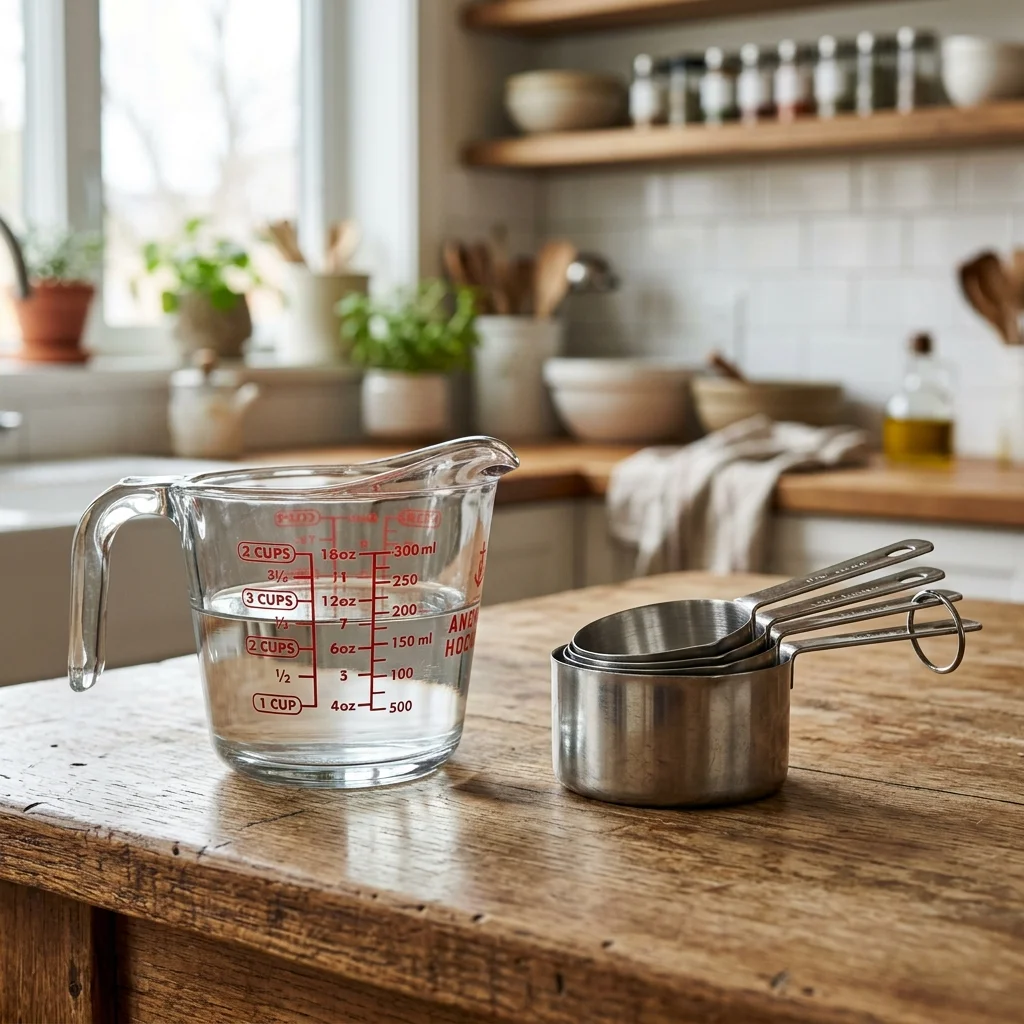
Baking soda and baking powder are both chemical leaveners used to lift doughs and batters, but they are chemically distinct and cannot be substituted in equal amounts.
Baking soda is pure, concentrated sodium bicarbonate (a chemical base) that requires an external acidic ingredient to react and create carbon dioxide ($CO_2$) gas. Baking powder, by contrast, is a complete leavening mixture containing sodium bicarbonate, one or more acid salts (such as cream of tartar or monocalcium phosphate), and a moisture-absorbing starch buffer like cornstarch. Because baking soda is roughly 3 to 4 times stronger per volume than standard baking powder, substituting one for the other requires careful mathematical adjustment and acid balancing.
Measure small chemical leaveners accurately using our Grams to Teaspoons Calculator, convert spoonfuls via Grams to Tablespoons, adjust leavening at elevation in the High Altitude Baking Adjuster, or scale recipes with the Recipe Scaler.
Baking Soda vs Baking Powder at a Glance
The table below summarizes the core chemical, functional, and practical differences between these two indispensable kitchen leaveners:
| Feature | Baking Soda | Baking Powder |
|---|---|---|
| Chemical Composition | 100% Pure Sodium Bicarbonate ($NaHCO_3$) | Sodium Bicarbonate + Acid Salts + Cornstarch Buffer |
| Needs External Acid? | Yes (Requires acidic liquid/ingredient) | No (Contains built-in powdered acid) |
| Relative Potency | 3x to 4x stronger per volume than baking powder | Standard baseline potency |
| Reaction Timing | Immediate upon contact with liquid & acid | Double-acting: 1st in bowl liquid, 2nd in oven heat |
| Primary Bake Roles | Promotes browning, cookie spread, acid neutralization | Promotes vertical lift, cake volume, tender crumbs |
| Approx. Weight per Teaspoon | ~5g to 6g (Varies by product density) | ~4.5g to 5g (Varies by brand formulation) |
What Is Baking Soda?
Baking soda is the common name for pure sodium bicarbonate ($NaHCO_3$). It is a crystalline, alkaline powder that acts as a chemical base in baking.
When sodium bicarbonate dissolves in liquid and meets an acid, a neutralization reaction occurs, producing carbon dioxide gas bubbles, water, and a neutral salt:
These trapped $CO_2$ gas bubbles expand inside your batter when exposed to heat, causing the baked good to rise. However, if there is insufficient acid to react with all the baking soda, unneutralized sodium bicarbonate remains in the final bake, imparting a harsh, soapy, or metallic alkaline taste.
What Is Baking Powder?
Baking powder is a complete, self-contained chemical leavening agent. It combines sodium bicarbonate (the base) with one or more dry acid salts (the acid) and cornstarch (a stabilizer and moisture absorber that prevents premature reaction in the tin).
Understanding Double-Acting Baking Powder
Nearly all modern commercial baking powders in North America are double-acting. This means they produce carbon dioxide gas in two distinct stages:
- First Action (At Room Temperature): As soon as baking powder is mixed with liquid ingredients in your mixing bowl, a fast-acting acid salt (such as monocalcium phosphate) dissolves and reacts with the sodium bicarbonate, releasing an initial surge of $CO_2$ bubbles.
- Second Action (In the Oven): As the batter warms up inside the oven (reaching approximately 120°F–140°F / 49°C–60°C), a heat-activated acid salt (such as sodium aluminum sulfate or sodium acid pyrophosphate) melts and reacts, releasing a secondary wave of gas to provide sustained vertical lift during baking.
Single-acting baking powder (common in professional commercial bakeries) contains only room-temperature acids and reacts entirely as soon as liquid touches the dry mixture.
Why Baking Soda Needs Acid
Because baking soda contains no internal acid, it requires an acidic ingredient in the batter to trigger carbon dioxide release. Common acidic baking ingredients include:
- Cultured Dairy: Buttermilk, yogurt, sour cream, and kefir (lactic acid).
- Fruit Juices & Vinegars: Lemon juice, orange juice, apple cider vinegar, and white distilled vinegar.
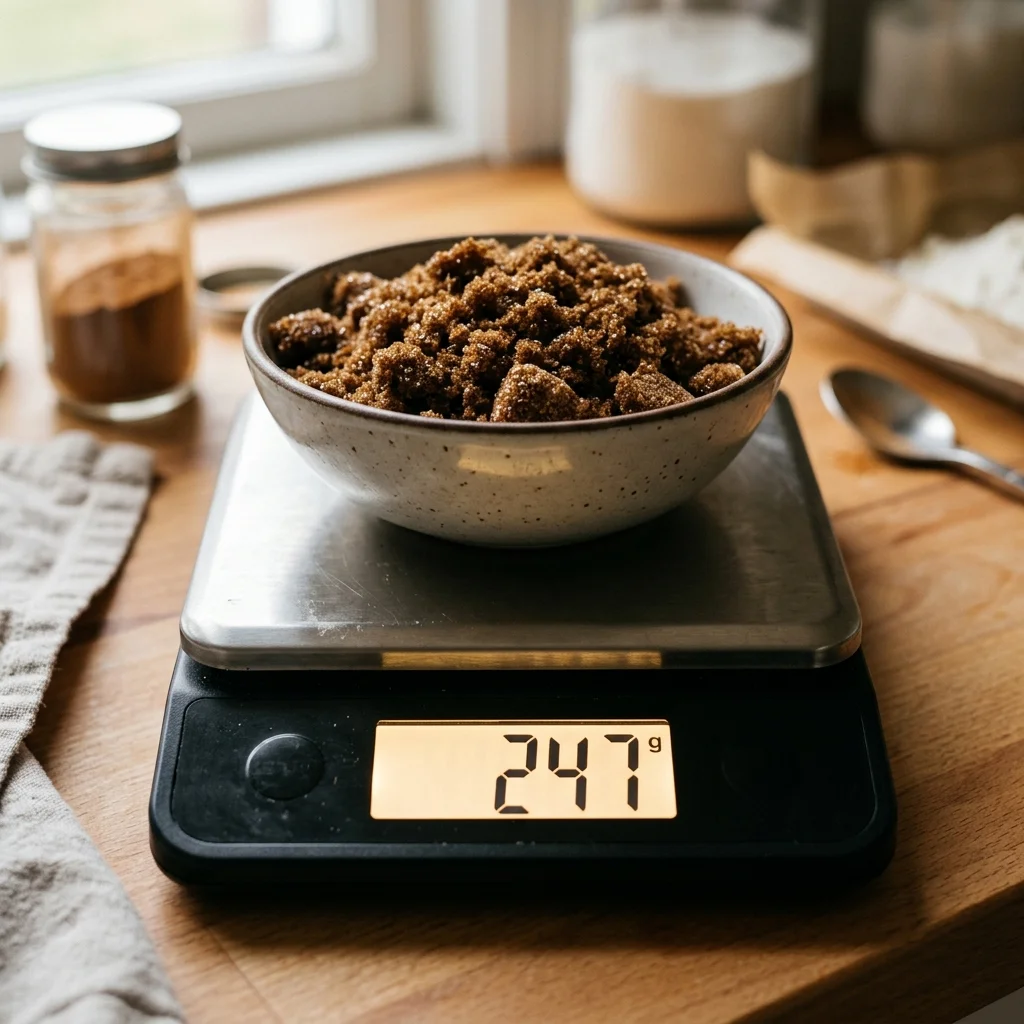
- Unrefined Sugars: Brown sugar and molasses (which contain natural organic acids). Note that different brands of brown sugar vary in exact acidity.
- Natural Cocoa Powder: Non-alkalized natural cocoa powder is acidic, with a pH between 5.0 and 6.0.
- Honey & Maple Syrup: Naturally acidic liquid sweeteners.
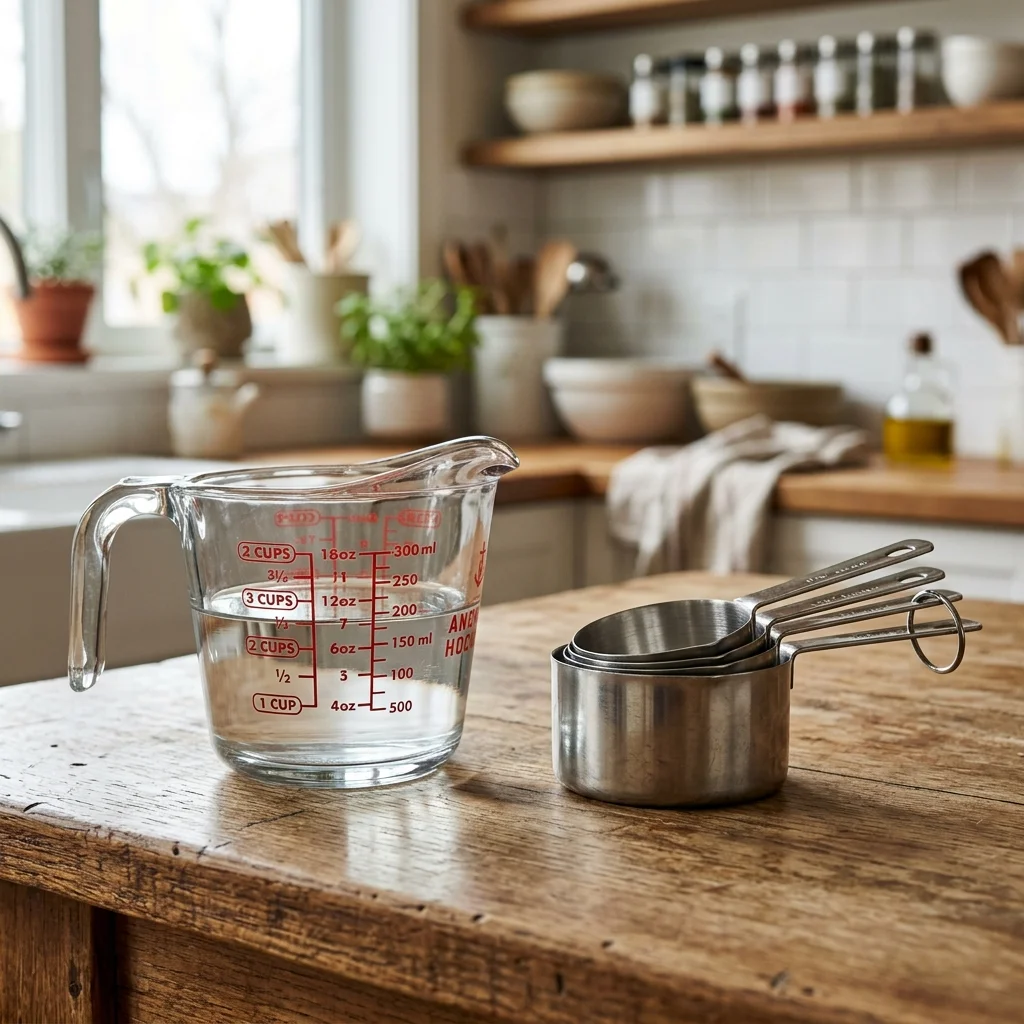
Learn how to measure liquid ingredients accurately in our guide: Top 7 Gram-to-Cup Conversion Mistakes Bakers Make (And How to Fix Them).
Why Baking Powder Does Not Need a Separate Acid
Baking powder does not require an acidic ingredient because its formulation already includes dry acid salts. When you add water, milk, or eggs to a batter containing baking powder, the water acts as a solvent, allowing the dry base and dry acid to dissolve and react together automatically.
This self-contained chemical structure makes baking powder ideal for recipes that contain non-acidic ingredients, such as sweet milk, heavy cream, granulated white sugar, and standard all-purpose flour.
Why Recipes Sometimes Use Both
Many classic recipes, such as buttermilk pancakes, banana bread, and chocolate chip cookies, call for both baking soda and baking powder. Professional recipe developers use both for three distinct chemical reasons:
- Acid Neutralization vs. Extra Lift: A recipe may contain a small amount of acidic buttermilk or sour cream. Adding enough baking soda to fully neutralize that acid might not produce enough total gas to lift a heavy batter. Adding baking powder provides extra vertical rise without requiring extra acid.
- Browning and Maillard Reaction: Baking soda raises batter pH (making it more alkaline). Alkaline environments accelerate the Maillard reaction, the chemical process responsible for rich golden browning and deep flavor development on cookie crusts and quick bread tops.
- Controlling Dough Spread vs. Rise: Baking soda weakens gluten structure to encourage lateral dough spread, while baking powder provides vertical lift. Balancing both yields cookies that are crisp on the edges and soft in the center.
Explore this dual-leavener balance in our recipe guides: Fluffy American Pancakes Recipe (Grams & Cups Dual Chart) and Moist Metric Banana Bread Recipe (Gram Measurements).
Baking Powder vs Baking Soda: Which Makes Baked Goods Fluffier?
Neither leavener can be labeled simply as "the fluffy one." Fluffiness depends on recipe chemistry and gluten structure:
- Baking Powder Fluffiness: Produces a high, uniform, tender vertical rise with tiny, fine crumbs, ideal for spongy birthday cakes, lofty pancakes, and light muffins.
- Baking Soda Fluffiness: When paired with strong acidic ingredients like buttermilk or yogurt, baking soda creates rapid, large carbon dioxide gas pockets, creating a rustic, open, tender crumb in Irish soda bread and buttermilk biscuits.
Baking Soda and Cookie Spread
In cookie doughs, baking soda plays a major role in controlling spread. According to baking-science research at King Arthur Baking, sodium bicarbonate raises the pH of cookie dough, making it more alkaline:
- Higher pH weakens gluten proteins, allowing the dough to relax and spread laterally before the egg proteins set in the oven.
- Alkaline dough causes sugar granules to melt faster at lower temperatures, producing thin, chewy cookies with crispy golden edges.
To master chewy cookie geometry, read Ultimate Chocolate Chip Cookies (Grams & Baker’s Science).
Baking Powder and Pancakes, Cakes, Muffins
Cake and muffin batters require rapid vertical volume expansion without spreading out thin. Double-acting baking powder is the ideal chemical leavener here because its second heat-activated reaction releases gas after the batter enters the hot oven, setting a high, dome-shaped top before the cake structure solidifies.
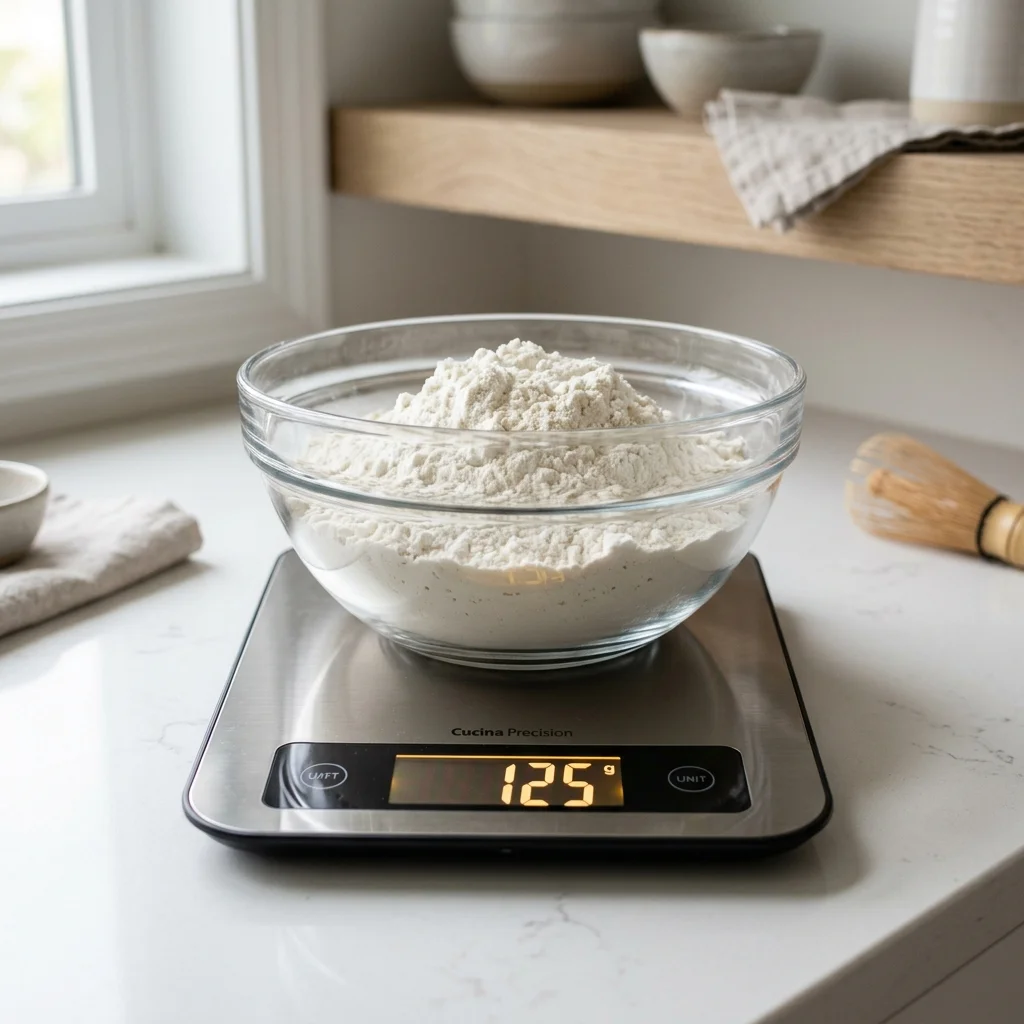
Learn how proper flour measuring impacts cake rise in How to Measure Flour Correctly.
Baking Soda vs Baking Powder Substitution
When substituting one leavener for another, equal-volume substitutions fail because baking soda is much more concentrated than baking powder. Use these authoritative substitution guidelines:
| Original Called For | Substitute Formula | Approximate Starting Ratio | Crucial Acid & Flavor Caveats |
|---|---|---|---|
| 1 tsp Baking Soda | 3 tsp Baking Powder | 1 : 3 Ratio | Use 3 tsp baking powder. You may omit or reduce acidic ingredients (like lemon juice) and reduce salt slightly, as baking powder contains extra sodium and acid. |
| 1 tsp Baking Powder | 1/4 tsp Baking Soda + 1/2 tsp Cream of Tartar + 1/4 tsp Cornstarch | Homemade Single-Acting Mixture | Yields 1 tsp of single-acting baking powder. Bake immediately after mixing, as it lacks heat-activated double-acting protection. |
Note: These ratios provide standard starting conversions, but cannot guarantee identical results in complex recipes with delicate pH balances.
Why Equal Amounts Don't Work
Substituting 1 teaspoon of baking soda directly for 1 teaspoon of baking powder (or vice versa) results in major baking failures:
- 1 tsp Soda instead of 1 tsp Powder: The batter receives 3x to 4x too much chemical base. Without heavy acid to neutralize it, the baked good turns yellow, tastes bitter and soapy, and collapses into a greasy puddle.
- 1 tsp Powder instead of 1 tsp Soda: The batter receives only 25% of the required neutralizing power. Acidic ingredients remain unneutralized (leaving a sour bite), and the bake suffers from weak rise and pale browning.
Check volume-to-weight relationships in The Master Cups to Grams Baking Conversion Guide.
What Happens If You Use Too Much Baking Soda?
Over-measuring baking soda introduces excess unreacted sodium bicarbonate into your bake, leading to five noticeable flaws:
- Harsh Soapy Taste: An unpleasant alkaline, metallic, or soapy flavor on the tongue.
- Excessive Browning: High pH causes deep, unnaturally dark crust browning before the interior bakes through.
- Off Colors: Turns blueberry muffins greenish-blue or white cake batter yellow.
- Weakened Crumb Structure: Over-softens gluten, resulting in coarse, crumbly, or fragile cakes.
- Uncontrolled Spread: Cookies flatten into thin, greasy disks that fuse together on the pan.
What Happens If You Use Too Much Baking Powder?
Adding too much baking powder creates a different set of structural problems:
- Rapid Rise and Collapse: Excess $CO_2$ gas bubbles expand too quickly before gluten or egg proteins set, causing the cake or muffin to rise dramatically and then crater in the center.
- Bitter Off-Taste: Leaves a sharp, bitter, or chemical taste behind.
- Coarse, Irregular Air Holes: Creates large, tunneling air pockets instead of a delicate, fine-pored crumb.
Natural Cocoa vs Dutch-Process Cocoa
The type of cocoa powder specified in a chocolate recipe directly dictates which chemical leavener must be used:
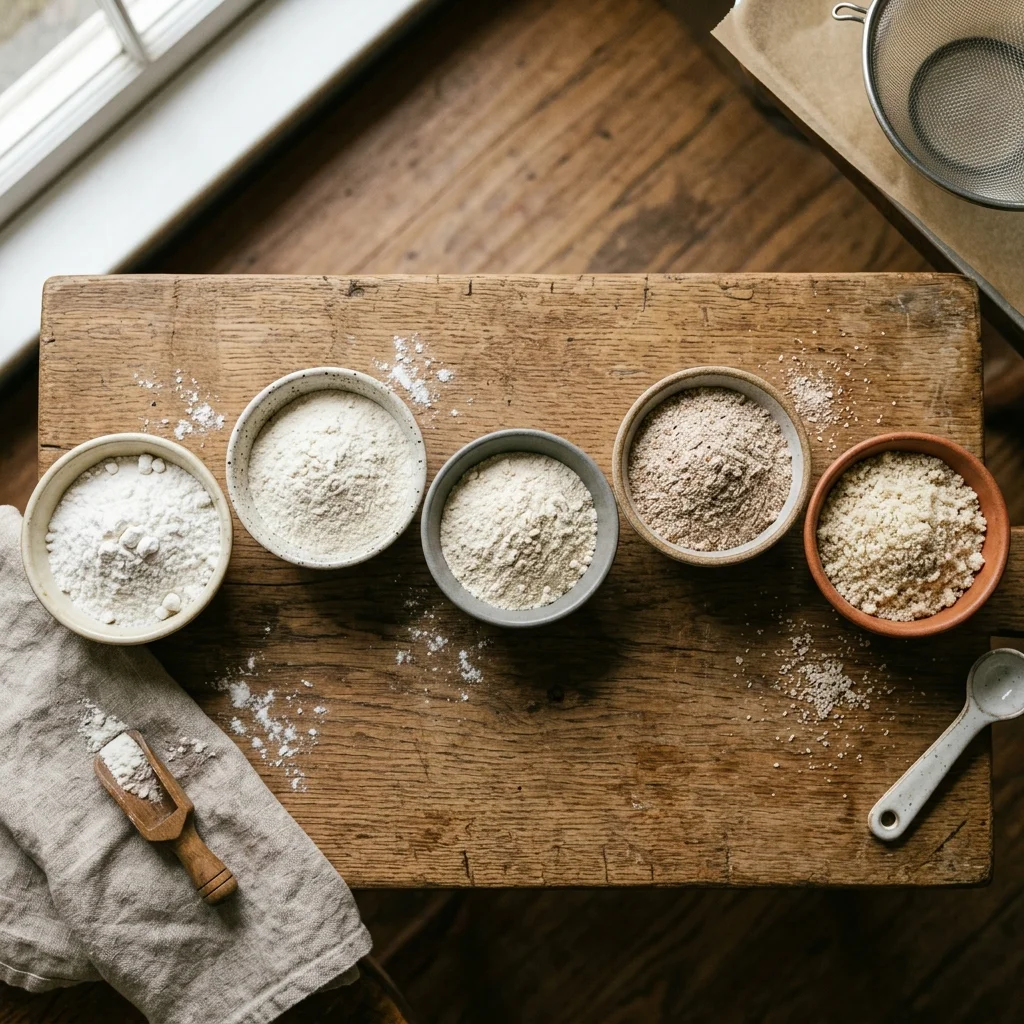
- Natural Cocoa Powder (Acidic pH 5.0–6.0): Citrusy, tart, and light in color. Its natural acidity reacts with baking soda to produce carbon dioxide and neutralize sour notes.
- Dutch-Process Cocoa Powder (Alkalized pH 7.0–8.0): Washed with an alkaline potassium carbonate solution to neutralize acidity, creating a darker, smoother cocoa. Because it lacks acid, it must be paired with baking powder for leavening.
Master cocoa chemistry in our dedicated guide: Dutch-Process vs. Natural Cocoa Powder: Chemical Differences & Conversion. For sugar acidity interactions, consult Granulated, Brown & Powdered Sugar Grams to Cups Guide.
How to Check Baking Powder and Baking Soda Freshness
Both chemical leaveners lose potency over time, especially when exposed to kitchen humidity. Test freshness in 30 seconds using these King Arthur Baking methods:
Baking Soda Freshness Test
Add 1/2 teaspoon baking soda to 2 tablespoons of white distilled vinegar or lemon juice.
Fresh Result: Vigorously fizzes and foams immediately.
Baking Powder Freshness Test
Add 1/2 teaspoon baking powder to 2 tablespoons of warm tap water.
Fresh Result: Bubbles and fizzes steadily within seconds.
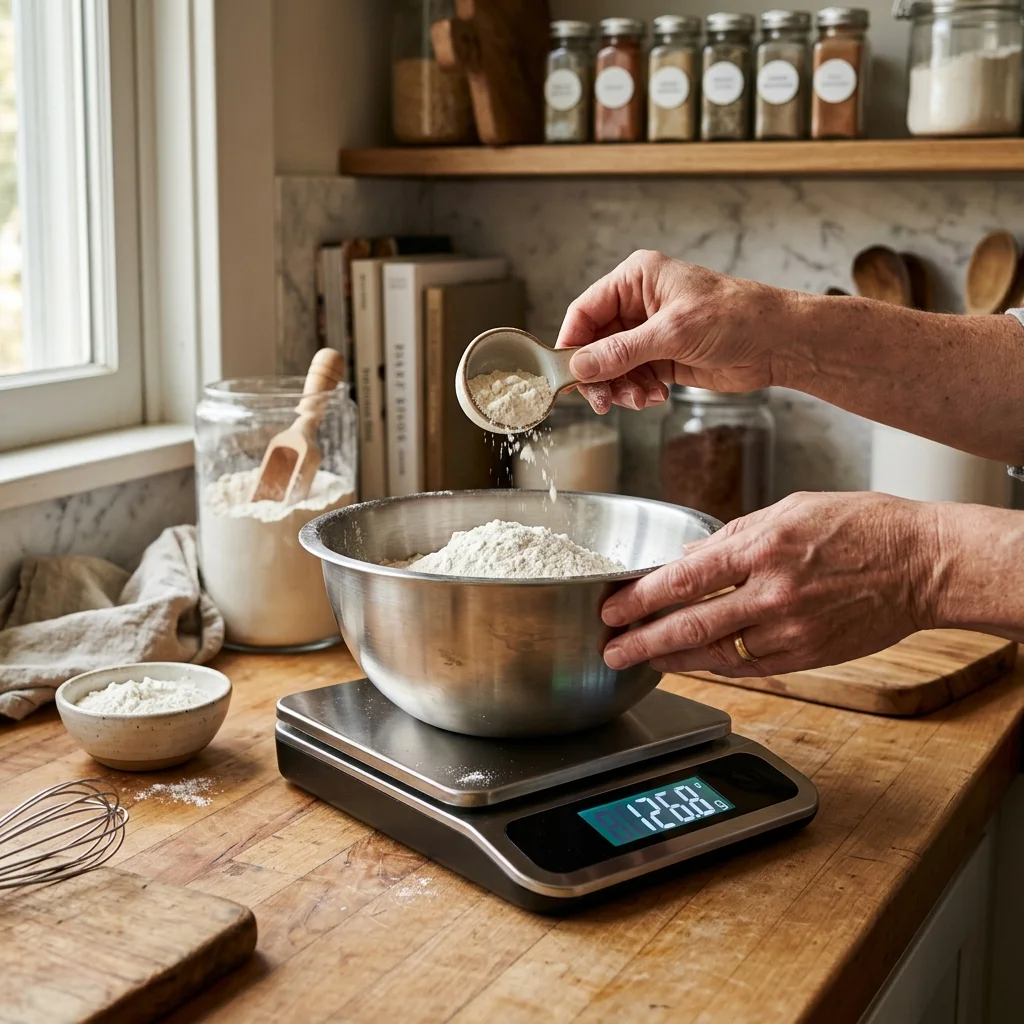
For high-precision baking workflows, use a scale as shown in Step-by-Step Guide: How to Use a Digital Kitchen Scale for Baking and review bread science in Sourdough Starter & Bread Hydration: Why Gram Precision Is Non-Negotiable.
Can Baking Soda and Baking Powder Expire?
Yes. While sodium bicarbonate itself is a stable mineral compound, baking soda absorbs ambient moisture and odor over time. Baking powder contains both base and acid salts; ambient humidity in an unsealed container allows the base and acid to react slowly inside the can, gradually extinguishing its leavening power.
- Shelf Life: Opened cans of baking powder are best used within 6 to 12 months. Unopened baking soda can last up to 2 years.
- Storage Tip: Store leaveners in a cool, dry pantry in airtight glass or metal containers away from steam.
Frequently Asked Questions
1. What is the main difference between baking soda and baking powder?
Baking soda is pure sodium bicarbonate requiring an acidic partner to react, while baking powder contains built-in dry acid salts that react automatically when mixed with liquid.
2. Is baking soda stronger than baking powder?
Yes. Baking soda is roughly 3 to 4 times stronger in leavening power per volume than standard baking powder.
3. Can I substitute baking powder for baking soda?
Yes, by using roughly 3 teaspoons of baking powder for every 1 teaspoon of baking soda called for, though flavor and browning may change slightly.
4. Can I substitute baking soda for baking powder?
Only if you add an acidic ingredient (like cream of tartar or lemon juice). A standard homemade mix combines 1/4 tsp baking soda with 1/2 tsp cream of tartar and 1/4 tsp cornstarch to replace 1 tsp baking powder.
5. How much baking powder equals 1 teaspoon of baking soda?
Approximately 3 teaspoons of baking powder equal the leavening strength of 1 teaspoon of baking soda.
6. Why does baking soda need an acid to work?
Baking soda is a chemical base ($NaHCO_3$). It requires hydrogen ions from an acid to trigger the chemical reaction that releases carbon dioxide gas bubbles.
7. What does double-acting baking powder mean?
Double-acting means it releases carbon dioxide gas twice: first when mixed with wet ingredients at room temperature, and second when heated inside the oven.
8. Why do some recipes use both baking soda and baking powder?
Recipes use both to neutralize natural batter acids with baking soda while gaining extra vertical rise and delicate crumb texture from baking powder.
9. Why do cookie recipes typically call for baking soda?
Baking soda raises dough pH, weakening gluten structure to promote lateral spread and accelerating Maillard browning for crispy edges and rich flavor.
10. Why do pancake and cake recipes call for baking powder?
Baking powder provides clean, reliable vertical lift and a tender, spongy crumb without causing the batter to spread out thin.
11. Does natural cocoa powder react with baking soda?
Yes. Natural cocoa powder is naturally acidic (pH 5.0–6.0) and reacts directly with baking soda to produce carbon dioxide gas.
12. What happens if you use too much baking soda?
Excess baking soda leaves unneutralized sodium bicarbonate behind, causing a bitter, metallic, soapy taste, excessive browning, and a weak, crumbly structure.
13. What happens if you use too much baking powder?
Too much baking powder causes rapid gas expansion that stretches gluten beyond its limit, leading to a sunken, collapsed cake center and a bitter taste.
14. How do you test if baking powder is still fresh?
Stir 1/2 teaspoon of baking powder into 2 tablespoons of warm water. If it bubbles and fizzes steadily, it is fresh and active.
Interactive Baking Weight Converter
Convert recipe volumes into exact gram weights instantly.
Interactive Baking Weight Converter
Convert recipe volumes into exact gram weights instantly.
Custom package weights override standard database densities for this session without altering official database records.
Need Full Density Reference Tables?
Explore complete g/cup density tables, USDA ratios, and measurement tools.
Related Baking Guides
US Cup vs Metric Cup vs Imperial Cup: The International Baking Guide
Learn the difference between US, metric, and Imperial cups, their milliliter sizes, and how to convert international baking recipes accurately.
Baking ScienceWhy Baking by Weight Is Superior to Measuring by Volume
Learn why weighing baking ingredients in grams is more accurate than cups, how density affects volume, and how a kitchen scale improves consistency.
Baking ScienceHow to Bake European Recipes in an American Kitchen
Learn how to convert European baking recipes for an American kitchen, including grams, milliliters, Celsius, gas marks, cups, and ingredient weights.