US Cup vs Metric Cup vs Imperial Cup: The International Baking Guide
"Learn the difference between US, metric, and Imperial cups, their milliliter sizes, and how to convert international baking recipes accurately."
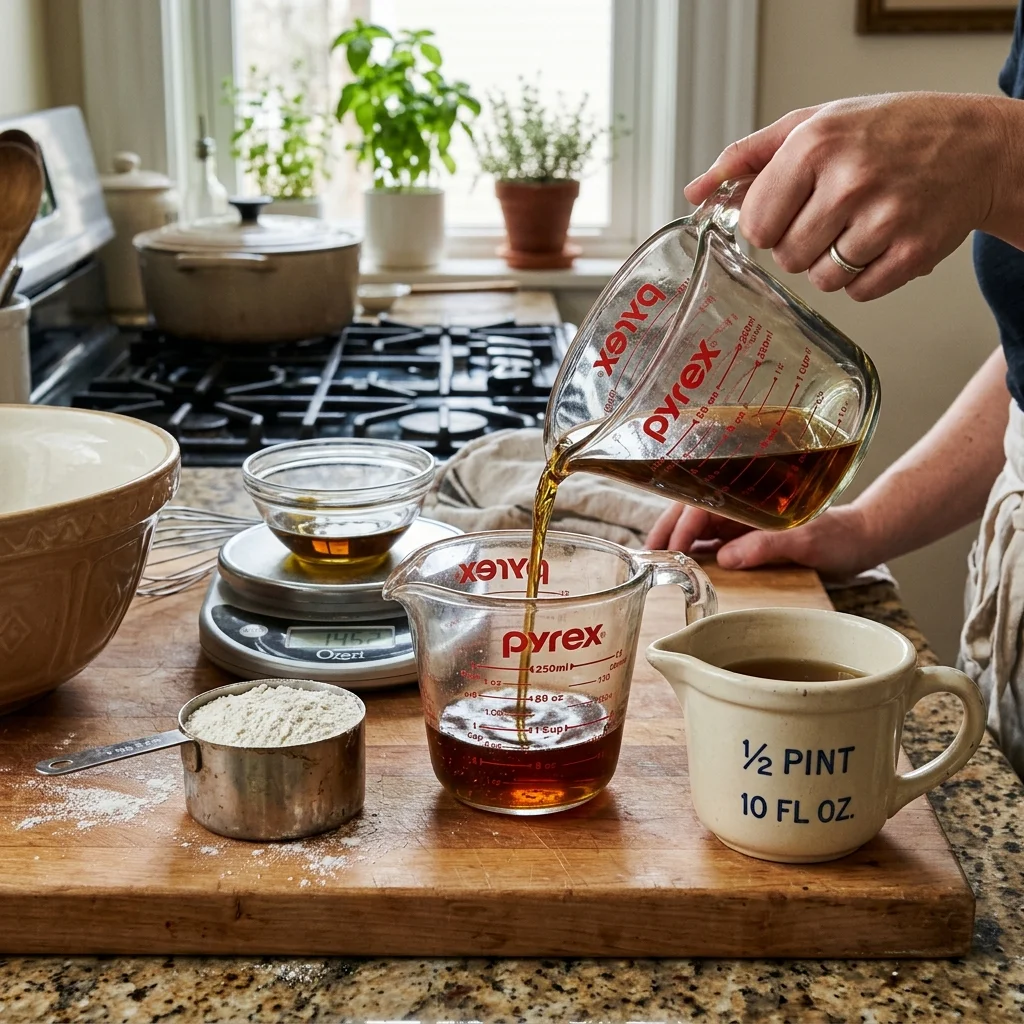
If you have ever baked an online recipe from an Australian, British, or Canadian food blog and ended up with a runny cake or dry cookies, the culprit was almost certainly a mismatch between cup standards. In the international baking world, "1 cup" is not a single universal volume.
Depending on where a recipe was developed, a single "cup" can range from 236.6 milliliters in the United States to 250 milliliters in Commonwealth countries like Australia, and up to 284.1 milliliters in vintage British Imperial cookbooks. When baking delicate pastries or sourdough bread, using the wrong measuring cup shifts ingredient ratios by up to 20%, throwing off moisture balance and gluten development.
For converting viscous liquids and volume mass, explore our Density Database, calculate dry weight in Granulated Sugar Grams to Cups, or convert fluid units in the Ounces to Cups Calculator.
US Cup vs Metric Cup vs Imperial Cup at a Glance
Before diving into conversion calculations, here is how the world's primary measuring cup standards compare in physical liquid volume and geographical usage:
| Cup Standard Standard | Volume in Milliliters (mL) | Fluid Ounces (fl oz) | Primary Regions Used | Key Notes for Bakers |
|---|---|---|---|---|
| US Customary Cup | 236.588 mL (~236.6 mL) | 8.0 US fl oz | United States (home recipes & cookware) | Standard cup used in US cookbooks and recipes |
| US Legal Cup | 240.0 mL | 8.11 US fl oz | United States (FDA nutrition labels) | Mandated by FDA for nutrition panel servings |
| Metric Cup | 250.0 mL | 8.45 US fl oz | Australia, New Zealand, Canada, South Africa | Exactly 250 mL; 5.7% larger than US Customary |
| Imperial Cup (UK) | 284.13 mL (~284.1 mL) | 10.0 Imperial fl oz | Vintage British & Commonwealth recipes | 20.1% larger than US Customary; rare in modern UK baking |
What Is a US Cup?
In the United States, two distinct cup definitions exist, which frequently confuses home bakers inspecting food packaging vs traditional cookbooks:
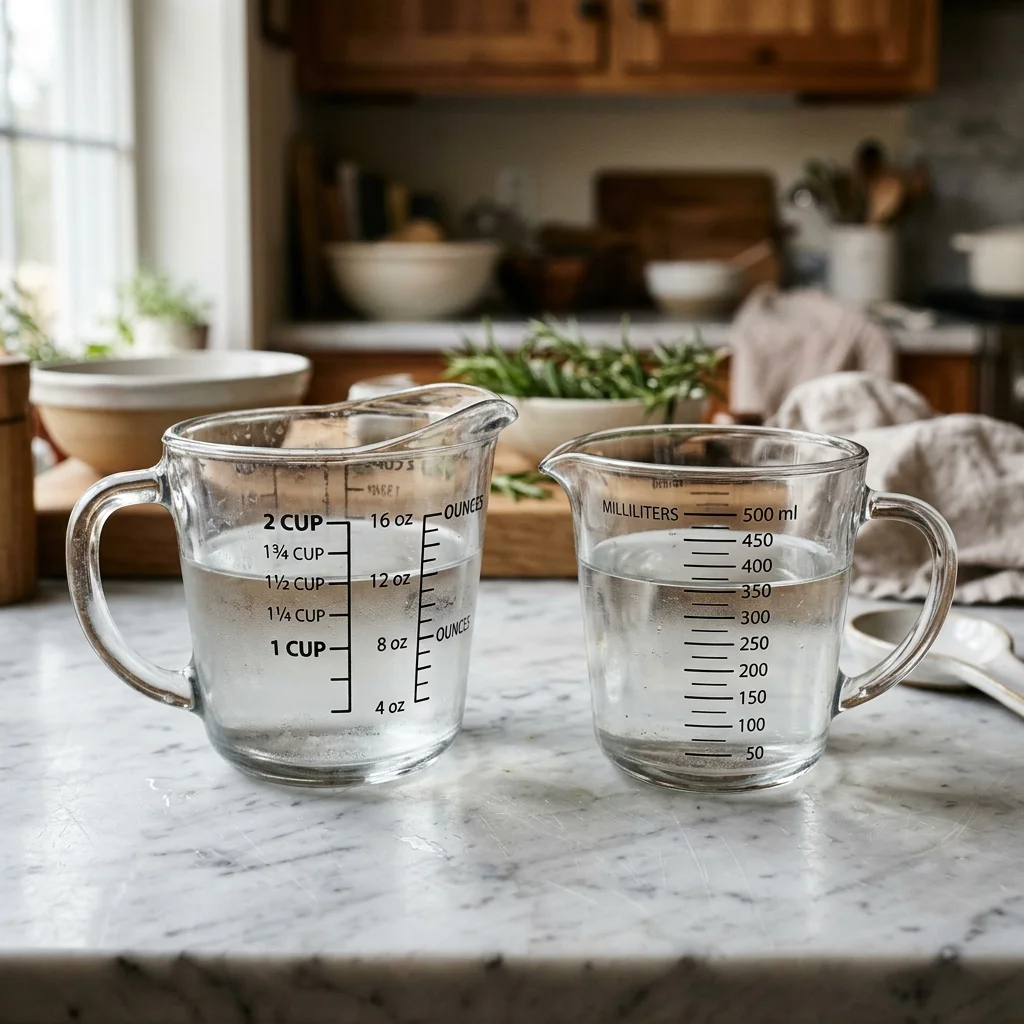
- US Customary Cup (236.588 mL): Based on the traditional English merchant system, 1 US Customary cup equals exactly half a US liquid pint, or 8 US customary fluid ounces (approx. 236.6 mL). Every standard set of nesting dry measuring cups and glass liquid measuring pyrex cups manufactured for American kitchens uses this 236.6 mL capacity.
- US Legal Cup (240 mL): Established by the US Food and Drug Administration (FDA) for standardized nutrition labeling under Code of Federal Regulations Title 21. When a US cereal box or milk carton lists serving sizes in "cups", federal law defines that cup as exactly 240 mL.
While the 3.4 mL difference between a US customary cup (236.6 mL) and a US legal cup (240 mL) is negligible for daily cooking (a minor 1.4% shift), conflating US cups with 250 mL metric cups causes noticeable texture defects in delicate baked goods.
What Is a Metric Cup?
The metric cup was created to harmonize culinary volume with the International System of Units (SI). Standardized at exactly 250 milliliters (250 mL), the metric cup is officially recognized across Australia, New Zealand, Canada, South Africa, and parts of the Commonwealth.
When baking a recipe published by an Australian website (like Taste.com.au) or a Canadian baking book, every "cup" measurement assumes 250 mL. If an American home baker fills a 236.6 mL US cup instead, they will under-measure liquid and dry ingredients by 13.4 mL per cup, leading to dry dough and altered baking times.
What Is an Imperial Cup?
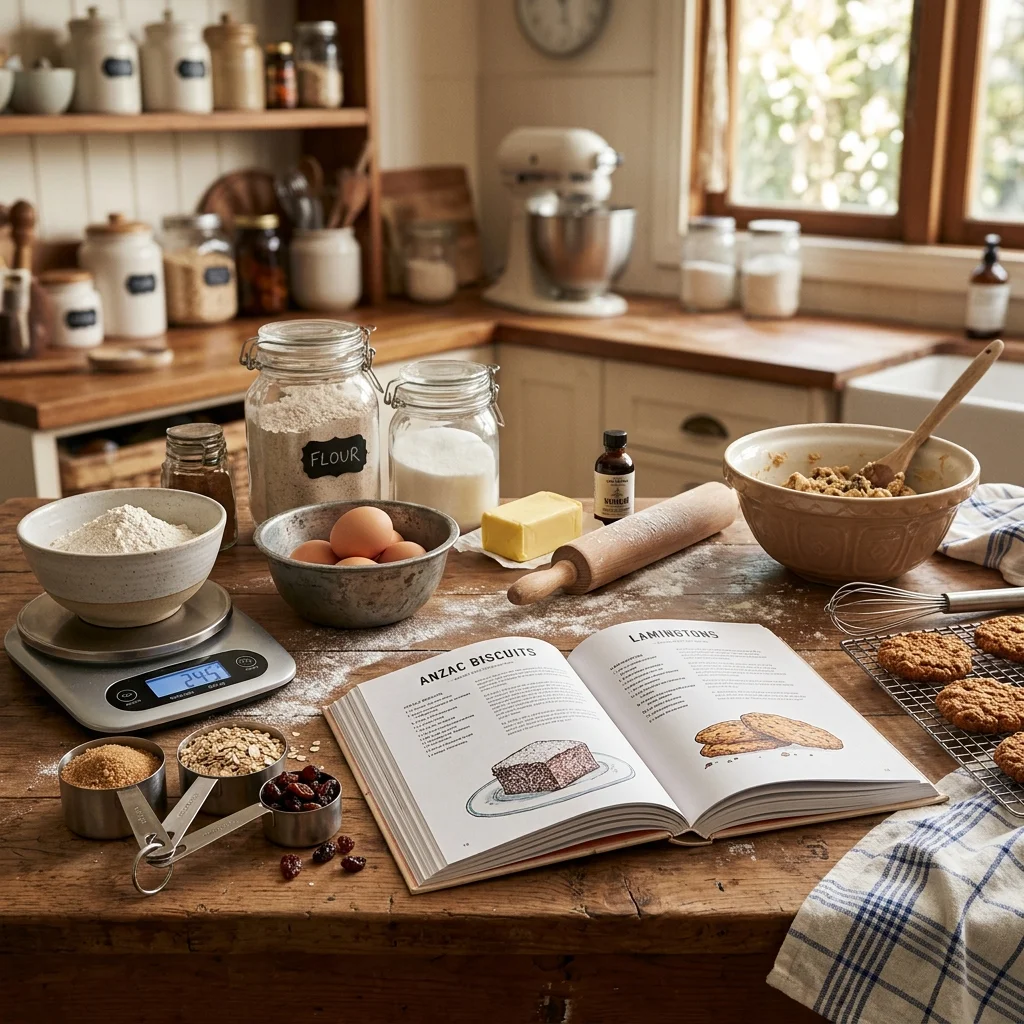
The Imperial cup originates from the British Weights and Measures Act of 1824. Defined as 10 Imperial fluid ounces or half an Imperial pint, 1 Imperial cup equals approximately 284.13 milliliters (284.1 mL).
An Imperial cup is 20.1% larger than a US customary cup. While traditional pre-1970s British, Irish, and vintage Commonwealth heirloom recipes used Imperial cups, modern baking in the United Kingdom has shifted almost entirely to mass in grams (g) and volume in milliliters (mL). If you encounter an old vintage UK recipe specifying "1 cup of milk", using an 8 oz US cup will leave you short by nearly 48 mL of liquid!
To learn how to handle vintage and European recipes effortlessly, read our guide on How to Bake European Recipes in an American Kitchen.
Why Cup Differences Matter More in Baking
Cooking savory dishes like soups, stir-fries, and pasta sauces is forgiving, adding 10% more vegetable stock or heavy cream rarely ruins the meal. Baking, however, relies on exact chemical reactions between flour protein (gluten), hydration, fat, and sugar.
Consider what happens when converting a multi-cup cake recipe without adjusting for cup standards:
- Hydration Shifts: If an Australian recipe calls for 2 metric cups of milk (500 mL total), pouring 2 US customary cups (473.2 mL total) deprives your batter of nearly 27 mL of liquid (almost 2 full US tablespoons).
- Dry Ingredient Compaction: If an American recipe calls for 3 US cups of all-purpose flour (~375g), using an Australian 250 mL metric cup adds nearly 400g of flour, producing a heavy, dense loaf.
Using the wrong style of cup container also compounds density error. Learn why in our article on Liquid Measuring Cups vs Dry Measuring Cups.
US Cup vs Metric Cup: Exact Difference
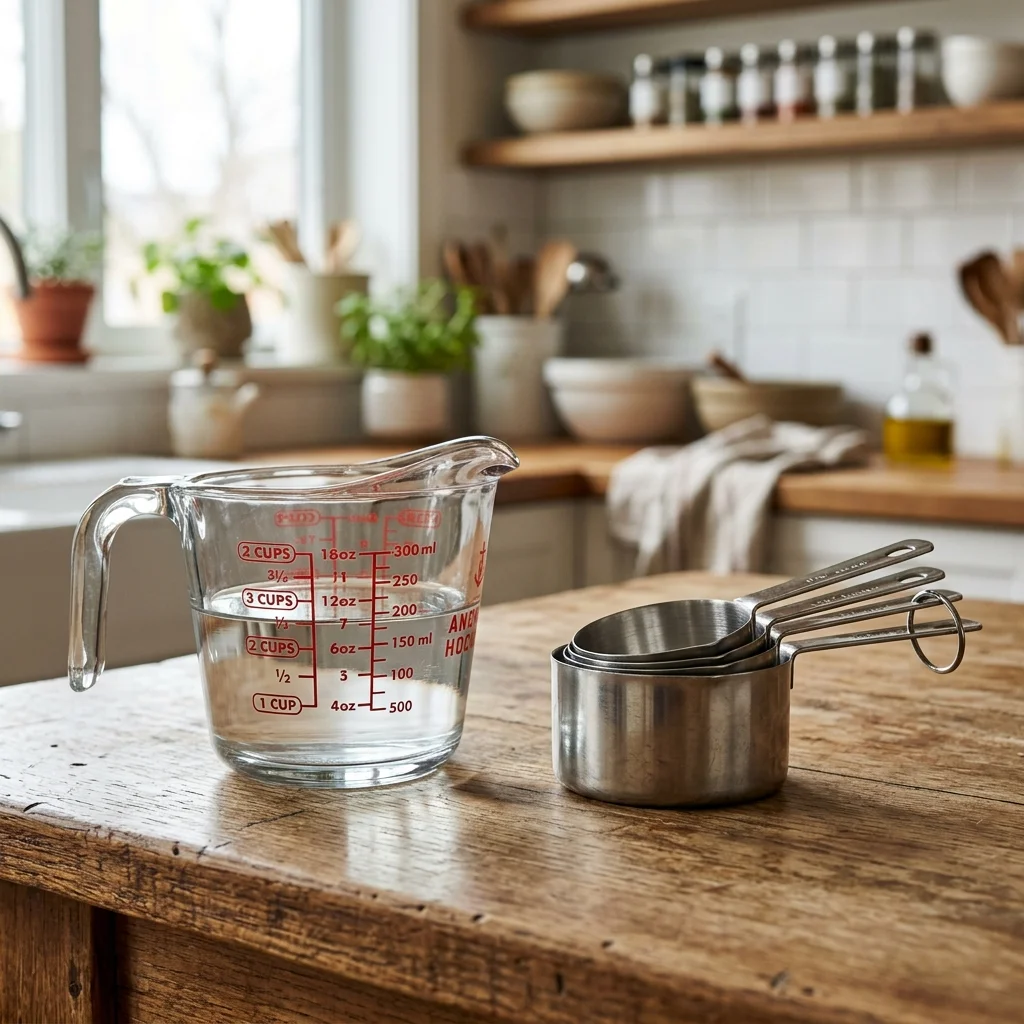
Let us calculate the exact mathematical variance between a US customary cup and a metric cup:
1 Metric Cup = 250.000 mL
1 US Customary Cup = 236.588 mL
Difference in Volume = 250.000 - 236.588 = 13.412 mL per cup
Percentage Variance = (13.412 / 236.588) * 100 = 5.67% larger
A metric cup is exactly 5.67% larger than a US customary cup. While 13.4 mL seems small for a single cup, in a recipe requiring 4 cups of liquid or flour, the cumulative error grows to 53.6 mL, more than 3.5 tablespoons of volume error!
US Cup vs Imperial Cup: Exact Difference
Comparing an American cup to a vintage British Imperial cup reveals a much larger gap:
1 Imperial Cup = 284.131 mL
1 US Customary Cup = 236.588 mL
Difference in Volume = 284.131 - 236.588 = 47.543 mL per cup
Percentage Variance = (47.543 / 236.588) * 100 = 20.09% larger
Because an Imperial cup is over 20% larger than a US customary cup, attempting to bake a vintage British pudding recipe using standard US measuring cups will cause severe recipe failure unless converted by scale or liquid volume.
How to Convert an International Recipe to US Measurements
Follow this reliable 6-step workflow whenever baking recipes originating outside the United States:
- Identify the recipe source country: Check where the author or website is based. Australian, New Zealand, and Canadian sites default to 250 mL metric cups. US sites default to 236.6 mL cups. Vintage UK sites use 284 mL Imperial cups.
- Determine the cup standard: Look for explicit notes in the recipe footer or measurement index.
- Prefer gram weights whenever available: If a European or UK recipe lists ingredients in grams (g), use a digital scale instead of converting to cups.
- Convert liquid ingredients by milliliter volume: Multiply metric cups by 250 mL or US cups by 236.6 mL to find total liquid volume in mL.
- Convert dry ingredients using ingredient-specific densities: Calculate dry ingredients based on their specific bulk weight (for example, 1 US cup of flour = 125g, while 1 metric cup of flour = 132g).
- Avoid universal conversion factors: Never use a single blanket factor (like assuming 1 cup = 240g for everything). Flour, sugar, butter, and oats have vastly different densities.
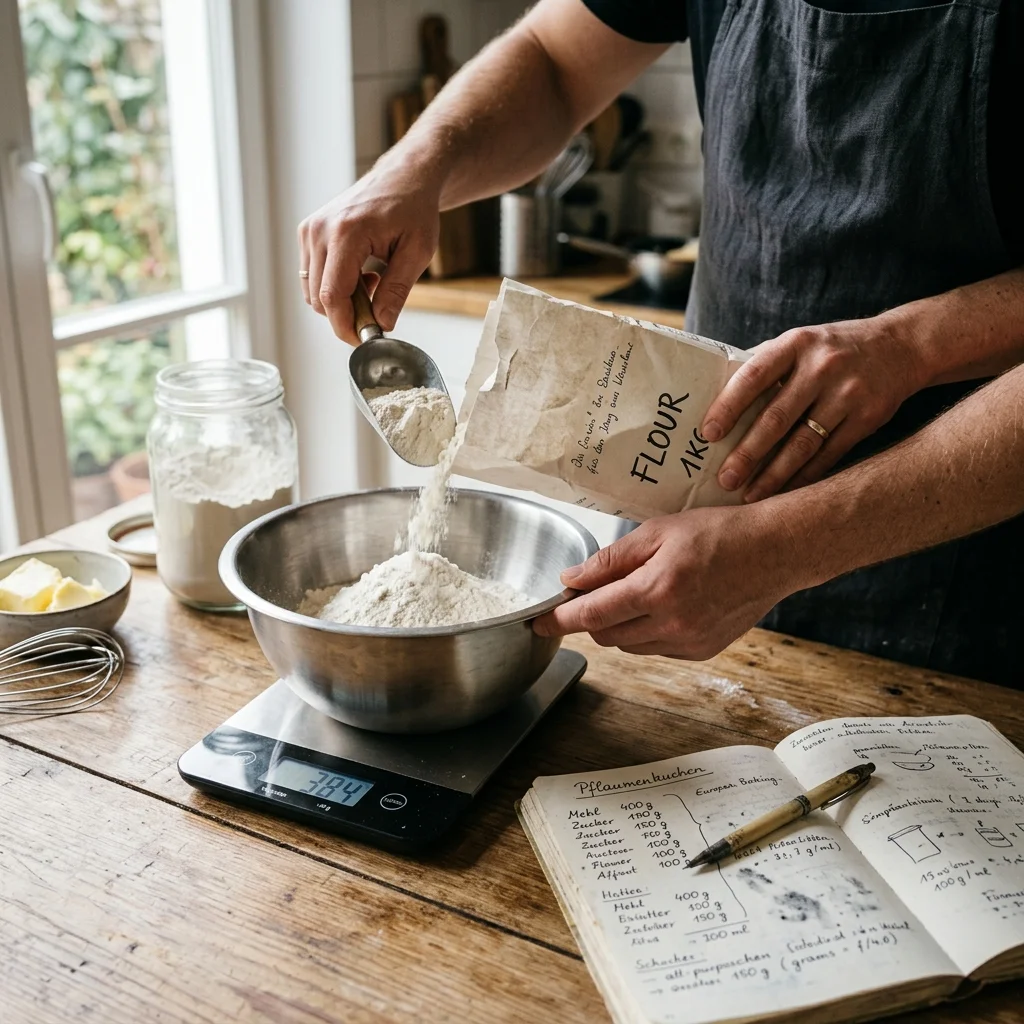
For additional step-by-step guidance on international recipe translation, see our complete guide on Converting Metric Baking Recipes (UK, European, Australian) for US Cooks.
Why Grams Are Safer Than Cups for International Baking
The single most effective way to eliminate international cup confusion is to switch from volume to mass. In physics and chemistry, 100 grams of flour or 200 grams of butter is identical in every country across the globe.
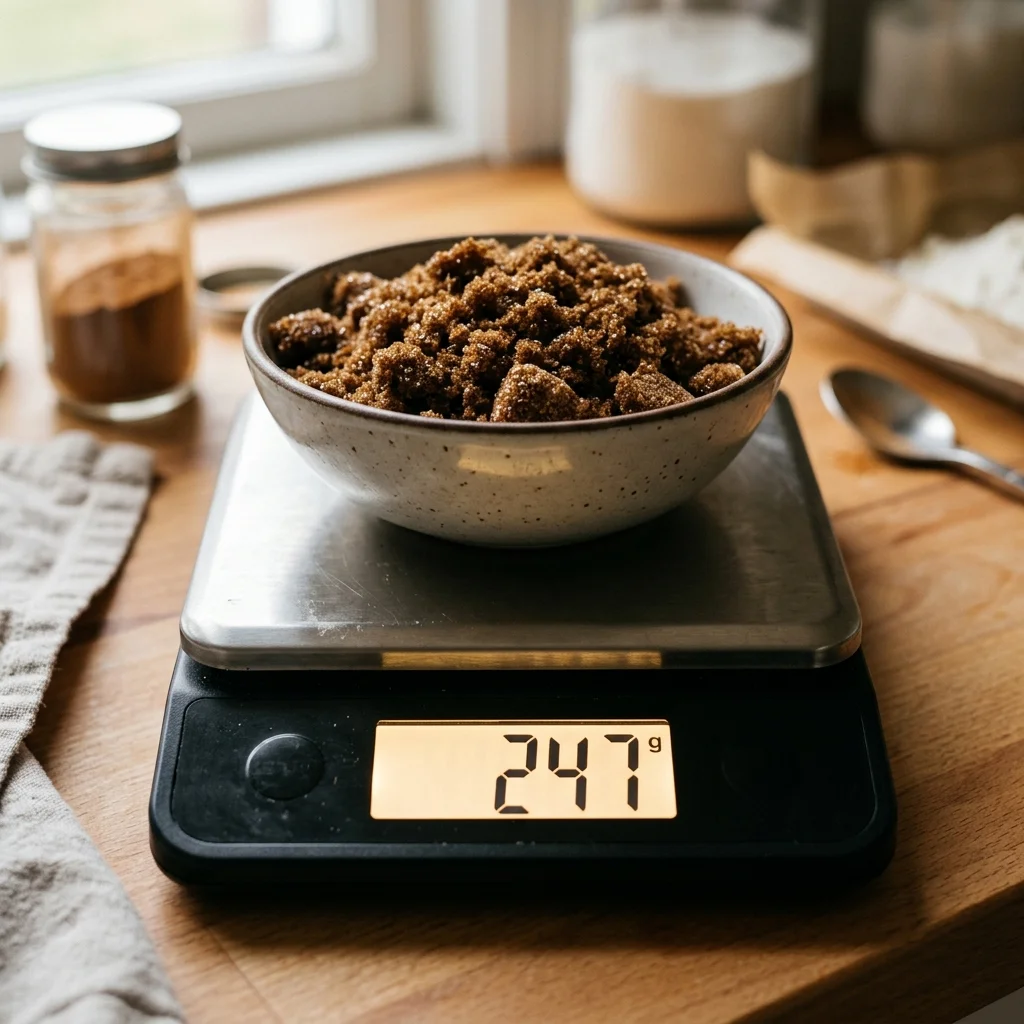
Weighing ingredients on a digital kitchen scale guarantees 100% precision regardless of whether the original author used US cups, Australian metric cups, or British Imperial measures. Read our detailed analysis on Why Baking by Weight Is Superior to Measuring by Volume to see how weight measurement saves time and eliminates dirty dishes.
Common International Baking Measurement Mistakes
Steer clear of these six frequent international baking conversion mistakes:
- Assuming every cup = 240 mL: Conflating FDA nutrition label cups (240 mL) with US customary cookware (236.6 mL) or metric cups (250 mL).
- Assuming every English recipe uses US cups: Baking an Australian or Canadian recipe with US customary cups under-measures liquid and dry ingredients by nearly 6%.
- Confusing fluid ounces and ounces by weight: 8 fluid ounces measures liquid volume, whereas 8 ounces by weight measures solid mass (which varies depending on ingredient density).
- Converting flour using water density: Water weighs 1g per mL (236.6g per US cup), but fluffed all-purpose flour weighs only 125g per US cup.
- Using generic cup-to-gram formulas: Applying a fixed 200g-per-cup factor across all ingredients. For example, 1 cup of butter is 227g (see our Butter Conversion Master Table), whereas 1 cup of sugar is 200g.
- Ignoring recipe country of origin: Failing to verify whether an online food blog originates in the US, UK, Australia, or Continental Europe.
Review our comprehensive guide on Top 7 Gram-to-Cup Conversion Mistakes for more error prevention strategies.
International Recipe Conversion Cheat Sheet
Keep these liquid volume reference values handy when converting international recipes for your kitchen:
| Fractional Cup | US Customary (mL) | US Legal FDA (mL) | Metric Cup (mL) | Imperial UK Cup (mL) |
|---|---|---|---|---|
| 1 Cup | 236.6 mL | 240.0 mL | 250.0 mL | 284.1 mL |
| 3/4 Cup | 177.4 mL | 180.0 mL | 187.5 mL | 213.1 mL |
| 2/3 Cup | 157.7 mL | 160.0 mL | 166.7 mL | 189.4 mL |
| 1/2 Cup | 118.3 mL | 120.0 mL | 125.0 mL | 142.1 mL |
| 1/3 Cup | 78.9 mL | 80.0 mL | 83.3 mL | 94.7 mL |
| 1/4 Cup | 59.1 mL | 60.0 mL | 62.5 mL | 71.0 mL |
For complete ingredient-by-ingredient conversion values, consult The Master Cups to Grams Baking Conversion Guide.
Frequently Asked Questions
1. Is a US cup the same as a metric cup?
No. A US customary cup holds approximately 236.6 milliliters (8 US fluid ounces), whereas a metric cup holds exactly 250 milliliters. A metric cup is about 5.7% larger than a US cup.
2. How many mL is 1 US cup?
One US customary cup equals 236.588 milliliters (~236.6 mL). Note that FDA nutrition labels use a 240 mL "legal cup" standard for packaging information.
3. How many mL is 1 metric cup?
One metric cup equals exactly 250 milliliters. It is the standard volume measure used in Australia, New Zealand, Canada, and South Africa.
4. How many mL is 1 Imperial cup?
One Imperial cup equals approximately 284.13 milliliters (10 Imperial fluid ounces). It is roughly 20.1% larger than a US customary cup.
5. Is an Australian cup the same as a US cup?
No. Australian recipes use the 250 mL metric cup, which is 13.4 mL larger per cup than the 236.6 mL US customary cup.
6. What cup size do American recipes use?
American domestic cookbooks and recipe websites use the US customary cup of 8 US fluid ounces (~236.6 mL).
7. Does Canada use metric cups?
Yes. Canadian baking recipes traditionally use the 250 mL metric cup standard, though recipes imported from the US use 236.6 mL cups.
8. How do I convert an Australian recipe to US measurements?
Multiply Australian metric cup volumes by 1.057 to find US cup equivalents, or weigh ingredients directly in grams using a digital scale.
9. Should I use grams instead of cups for baking?
Yes. Weighing in grams is universally accurate across all countries, eliminating differences between US, metric, and Imperial cup volumes.
10. Are US fluid ounces the same as Imperial fluid ounces?
No. One US fluid ounce equals 29.57 mL, whereas one Imperial fluid ounce equals 28.41 mL. However, an Imperial cup contains 10 Imperial fl oz (284.1 mL), while a US cup contains 8 US fl oz (236.6 mL).
To explore how these volume differences originated historically, read our article on the history and evolution of the cup measurement.
Interactive Baking Weight Converter
Convert recipe volumes into exact gram weights instantly.
Interactive Baking Weight Converter
Convert recipe volumes into exact gram weights instantly.
Custom package weights override standard database densities for this session without altering official database records.
Need Full Density Reference Tables?
Explore complete g/cup density tables, USDA ratios, and measurement tools.
Related Baking Guides
Why Baking by Weight Is Superior to Measuring by Volume
Learn why weighing baking ingredients in grams is more accurate than cups, how density affects volume, and how a kitchen scale improves consistency.
Baking ScienceHow to Bake European Recipes in an American Kitchen
Learn how to convert European baking recipes for an American kitchen, including grams, milliliters, Celsius, gas marks, cups, and ingredient weights.
Baking ScienceHigh Altitude Baking Adjustments: Flour, Liquid, and Oven Temps
Learn how to adjust flour, liquid, sugar, leavening, oven temperature, and bake time when baking at high altitude, with practical elevation tips.