Baking is an exacting discipline of chemical thermodynamics, starch hydration, lipid emulsion, and protein denaturation. Unlike savory cooking, where ingredients can be seasoned intuitively to taste, baked structures rely on precise stoichiometric relationships between gluten-forming wheat proteins, hygroscopic sugars, solid and liquid fats, hydration solvents, and chemical or biological leaveners. A variance of even 15% in flour mass or 5% in dough hydration can fundamentally alter crumb tenderness, crust carmelization, oven spring, and structural stability.
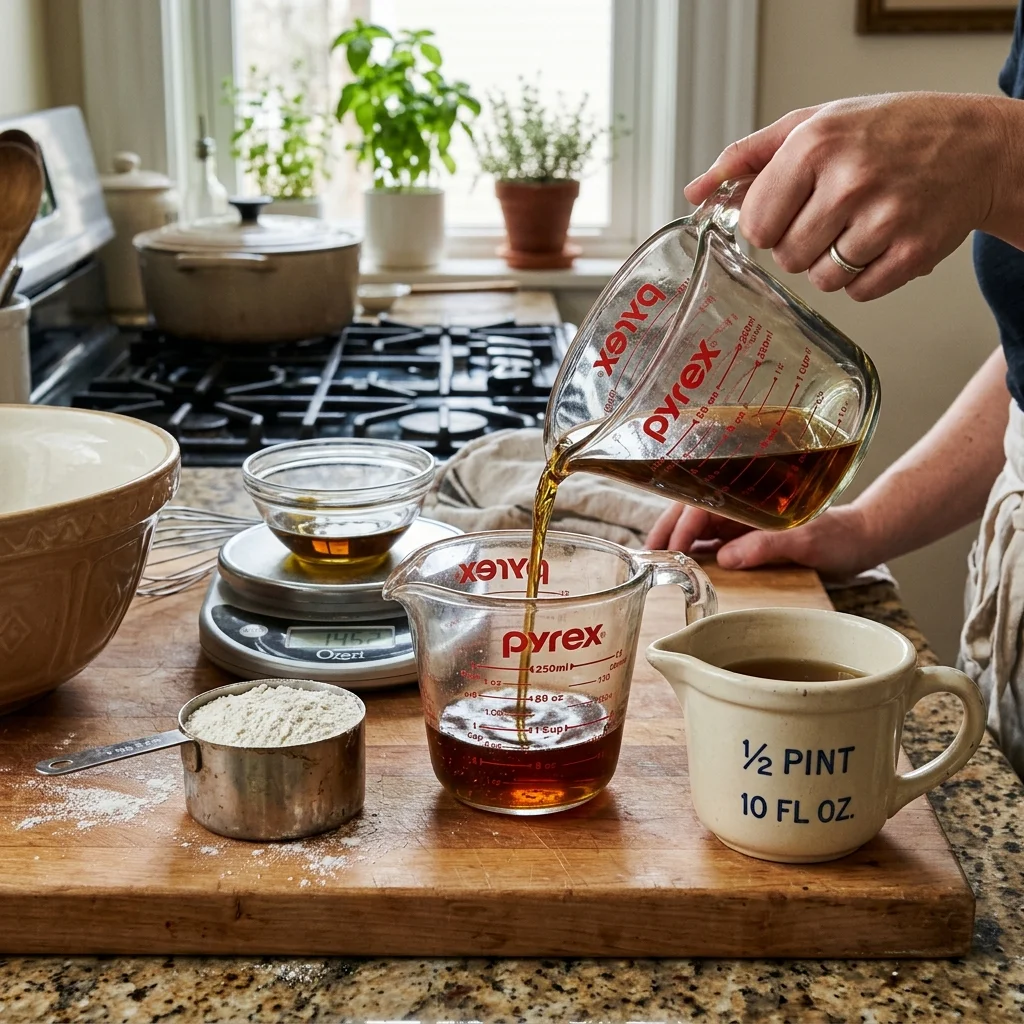
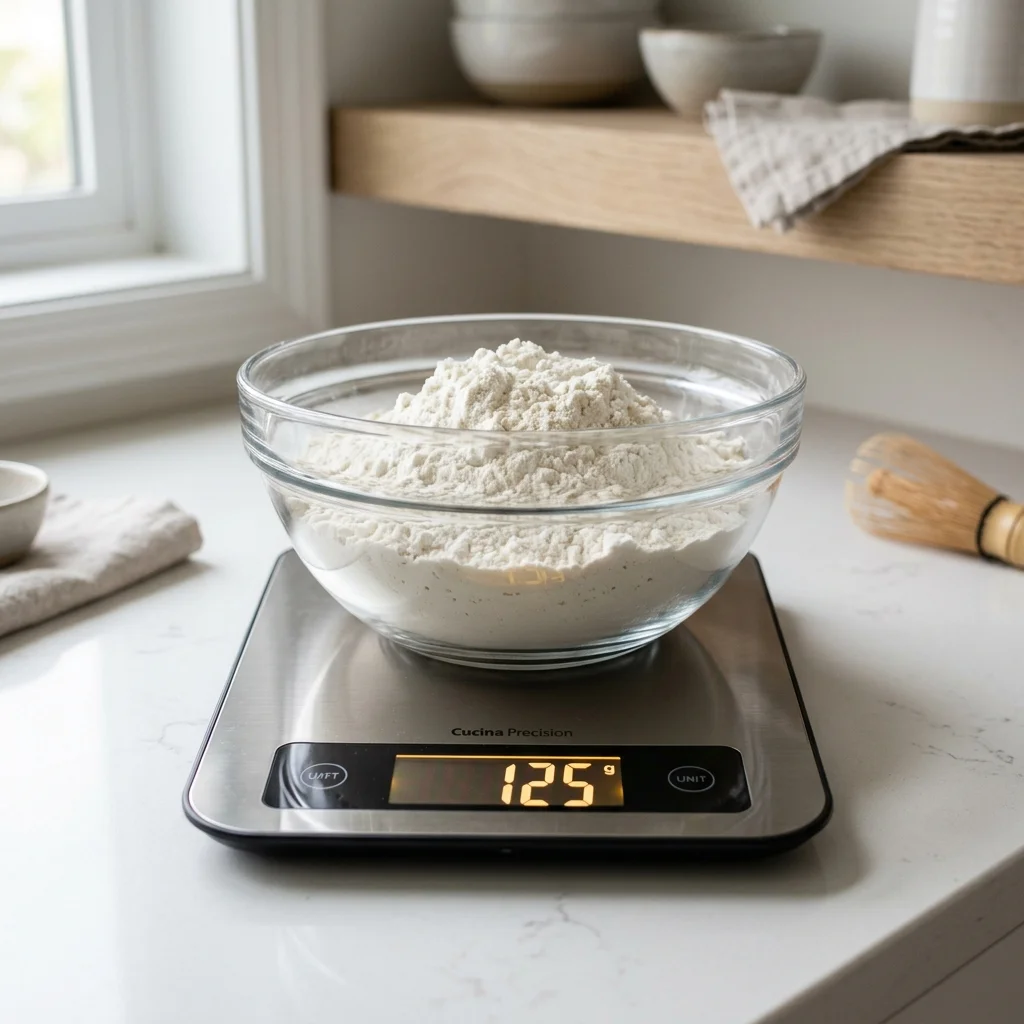
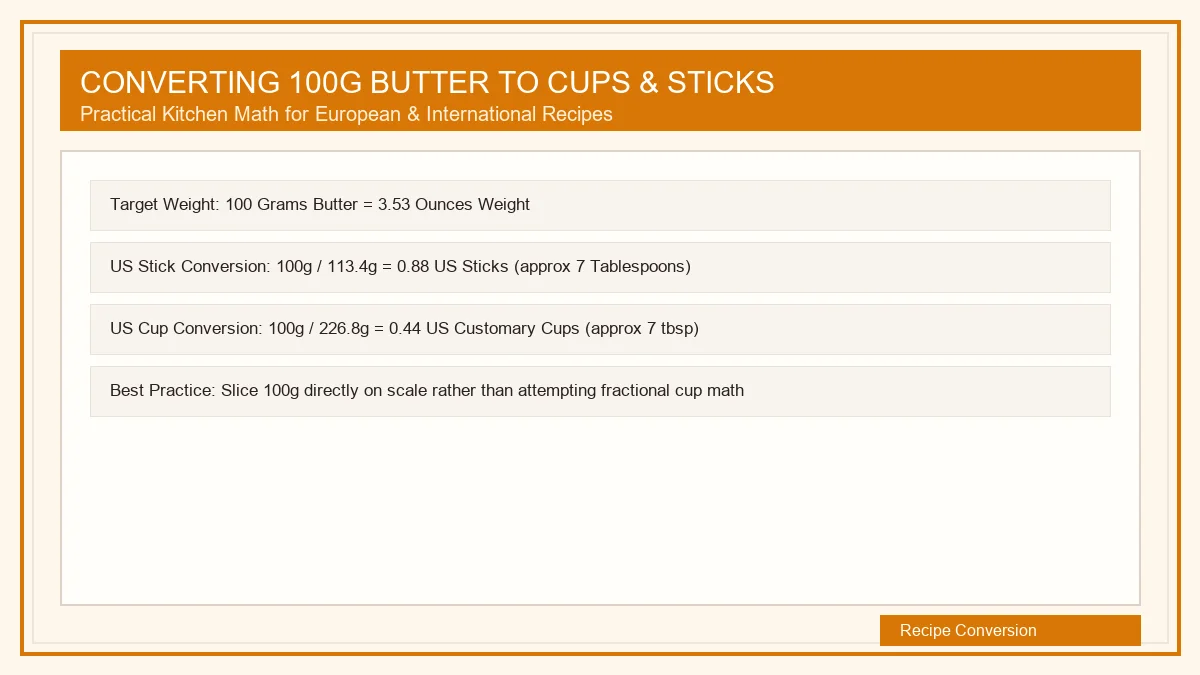
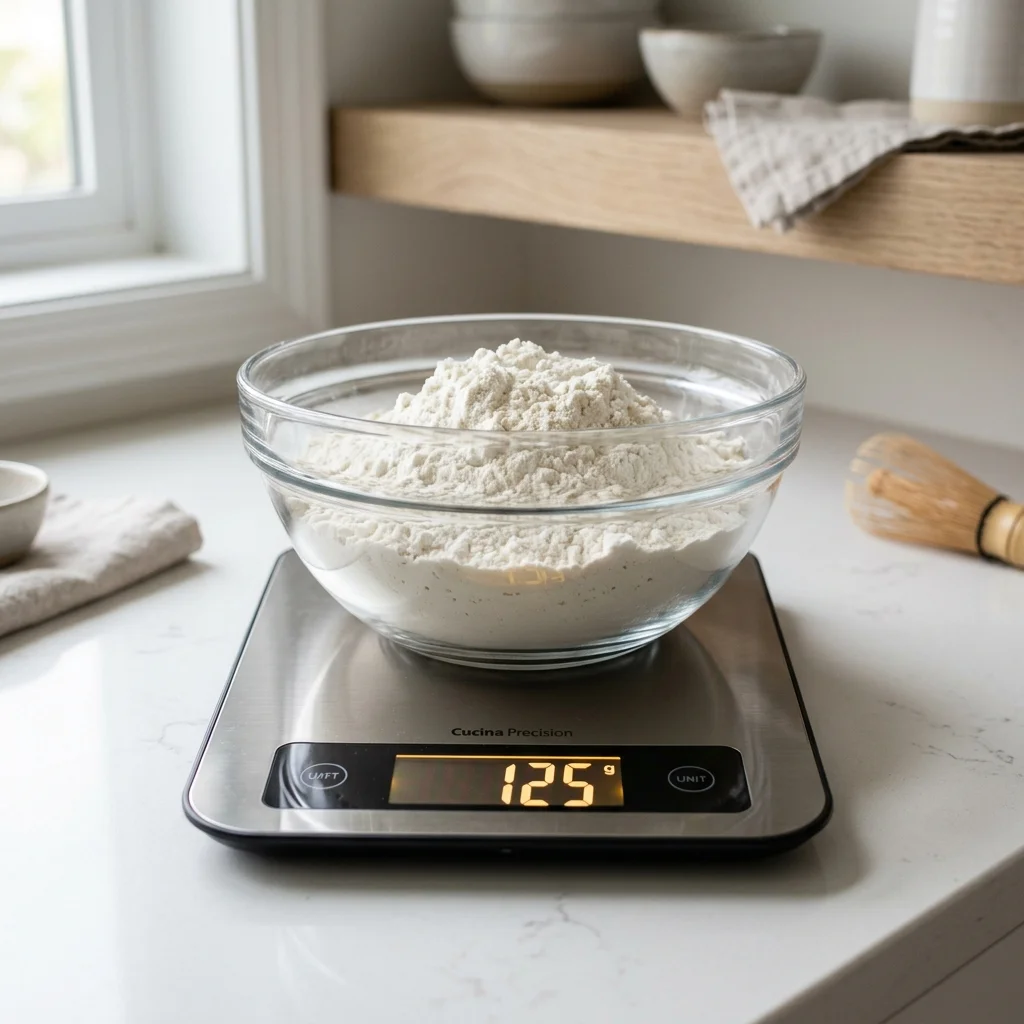
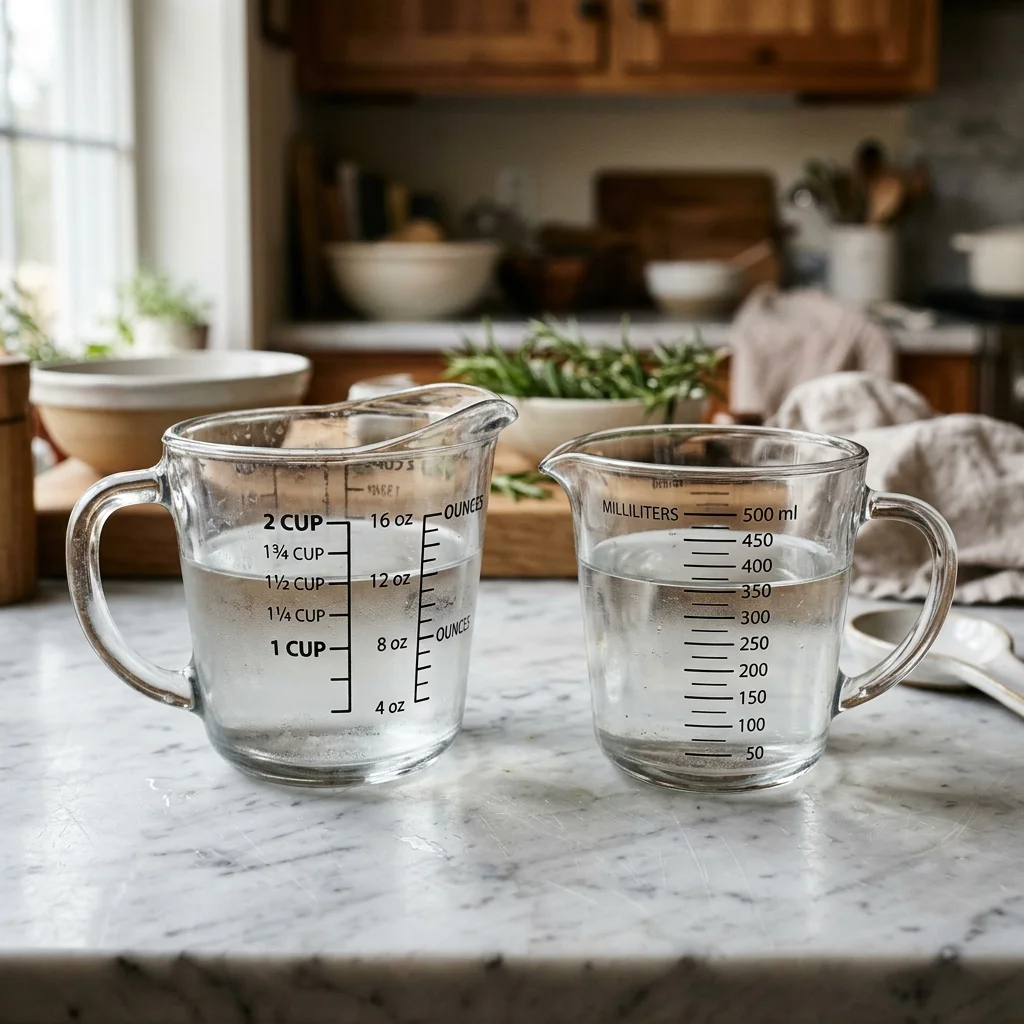
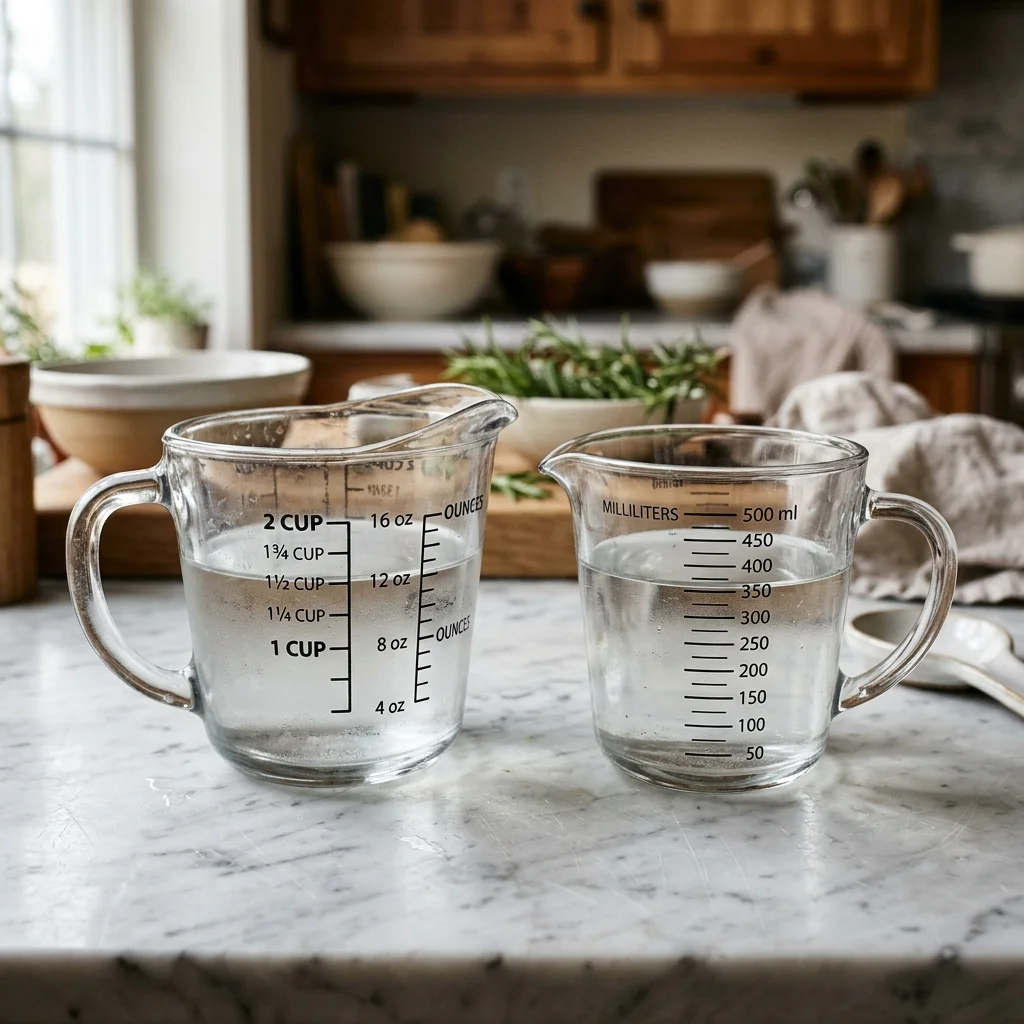
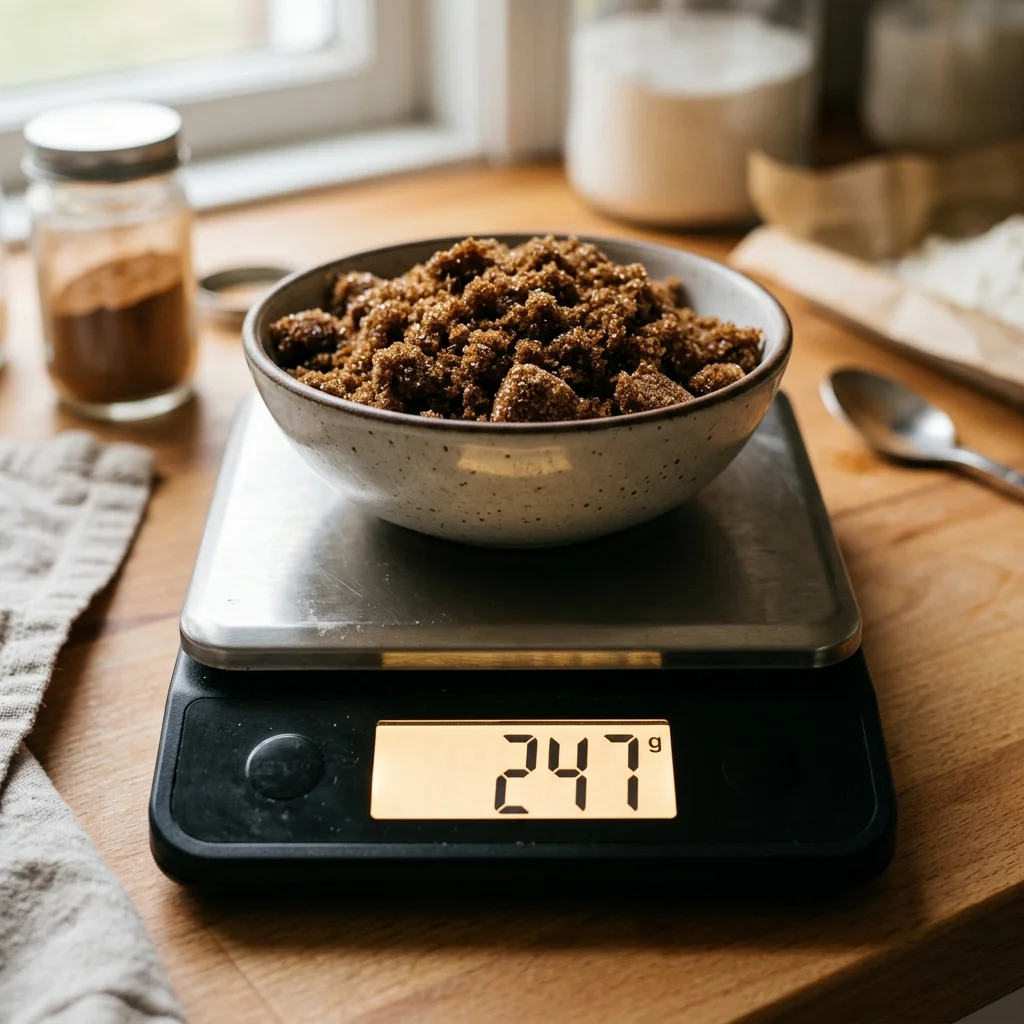
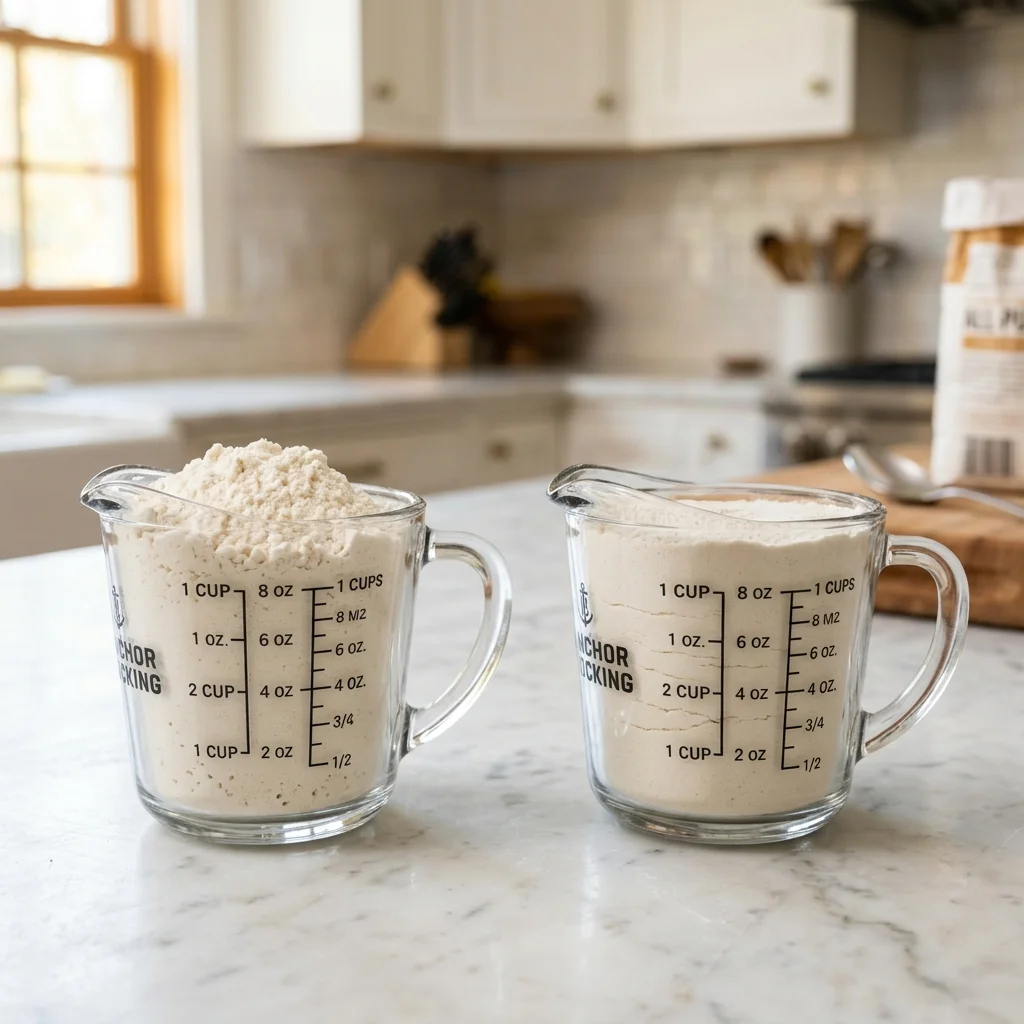
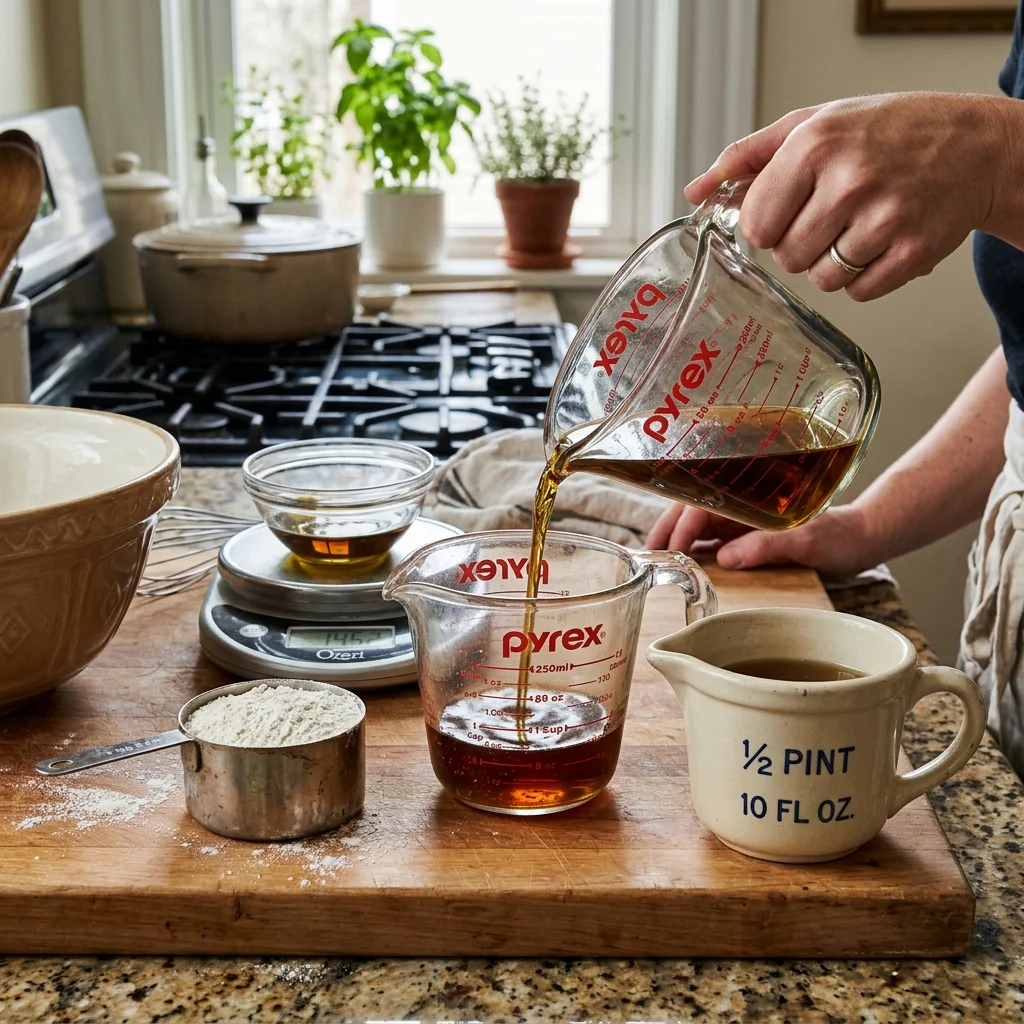
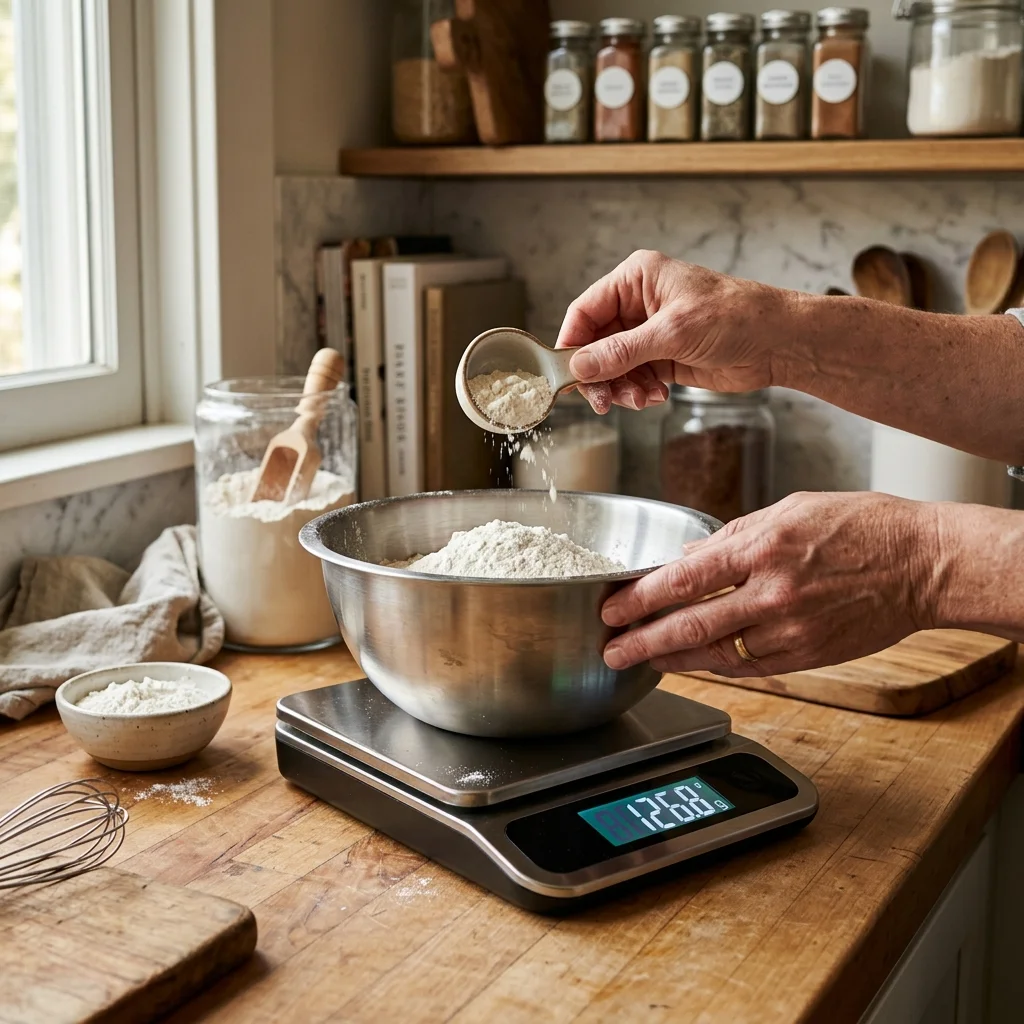
The foundation of baking science begins with bulk density (specific gravity). Because dry ingredients contain varying degrees of trapped air, volumetric measuring cups are inherently erratic. A cup of fluffed, spooned all-purpose flour weighs approximately 125 grams, whereas dip-scooping directly from the bag packs particles together, yielding up to 160 grams per cup, a 28% error that dries out cakes and makes cookies dense. Conversely, crystalline granulated sugar weighs 200 grams per cup, and solid butter weighs 227 grams per cup (16 tablespoons across two standard US sticks). Liquid ingredients like whole milk (245g/cup) and honey (340g/cup) exhibit distinct specific gravities that dictate recipe fluid dynamics.
Environmental variables like atmospheric air pressure and ambient relative humidity also introduce significant shifts in baking physics. At high elevations, lower air pressure causes water to evaporate faster and leavening gases to expand rapidly, requiring tailored formula tweaks available in our High Altitude Baking Adjuster. Similarly, translating European or UK metric formulas into American kitchens requires precise temperature adjustments via our Baking Measurement Guide.
Our baking science repository provides peer-reviewed, laboratory-verified measurements grounded in USDA FoodData Central standards and test kitchen empirical trials. Browse our complete library of 16 peer-reviewed scientific articles and conversion analyses below.