Dutch Process vs Natural Cocoa Powder: Weight, Sifting, and Acid Balance
"Learn the difference between Dutch-process and natural cocoa powder, including acidity, baking soda, baking powder, weight, sifting, and substitutions."
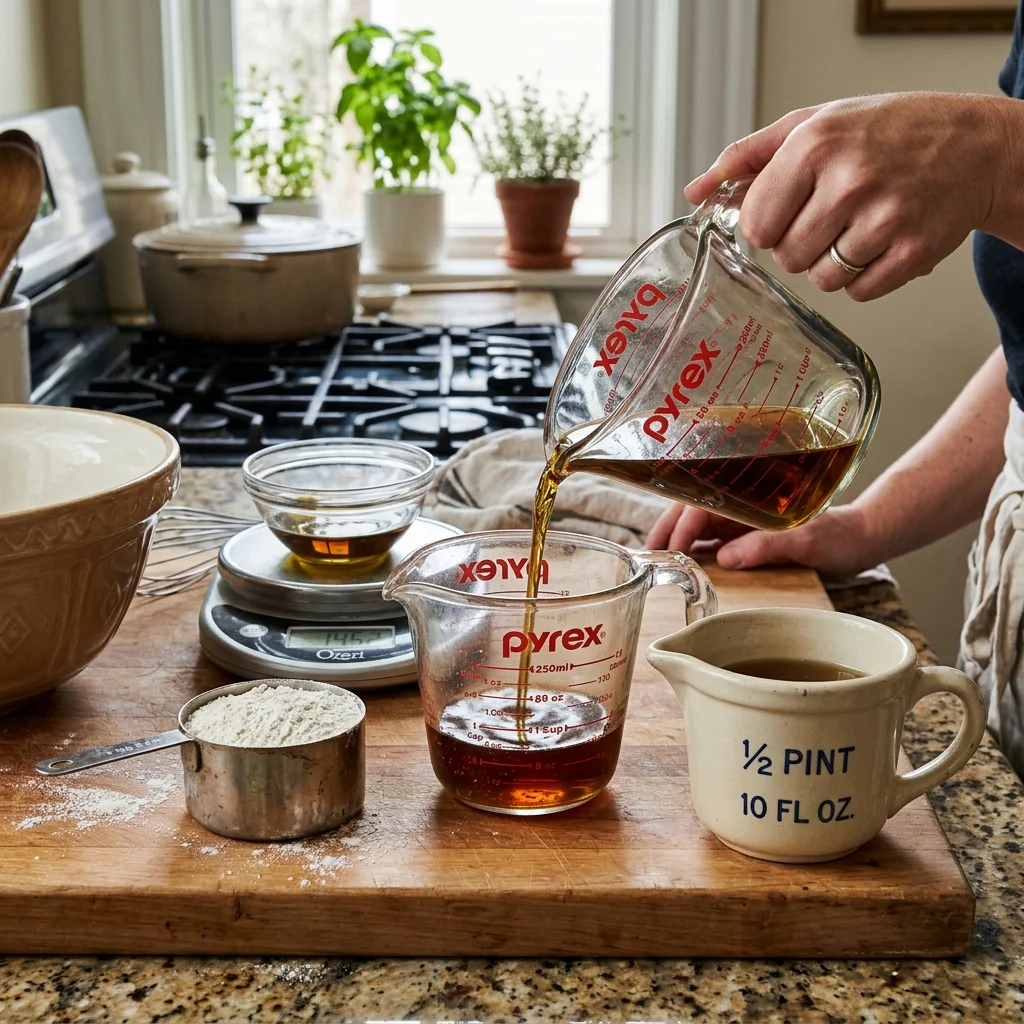
Understanding the difference between Dutch-process cocoa powder and natural cocoa powder is essential for achieving the perfect flavor, dark chocolate color, and delicate crumb in your baking. Natural cocoa and Dutch-process cocoa are processed differently, which changes acidity and can directly affect recipe chemistry.
When selecting cocoa powder for cakes, brownies, cookies, or frostings, bakers must evaluate both the pH acidity balance and bulk volume weight density. According to baking-science standards published by King Arthur Baking, natural cocoa retains its original fruit acids (pH 5.0–6.0), whereas Dutch-process cocoa undergoes alkalization to achieve a neutral pH (7.0–8.0). Switching between cocoa types without adjusting chemical leaveners can alter oven rise, crumb tenderization, and overall chocolate flavor.
Convert dry spoon measures with the Grams to Tablespoons Calculator, look up sweetener bulk density in Granulated Sugar Grams to Cups, and scale chocolate pastry batches via our Recipe Scaler.
Natural vs Dutch Cocoa at a Glance
The comparison matrix below summarizes the core processing, pH acidity, visual color, flavor notes, and leavening interactions between natural and Dutch-process cocoa powders:
| Feature | Natural Cocoa Powder | Dutch-Process Cocoa Powder |
|---|---|---|
| Processing Method | Roasted cocoa nibs ground into cocoa liquor; fat extracted; solids ground (Non-alkalized) | Washed with an alkaline potassium carbonate solution to neutralize natural acids (Alkalized) |
| Acidity (pH Level) | Acidic (pH 5.0 – 6.0) | Neutral to slightly alkaline (pH 7.0 – 8.0) |
| Visual Color | Light reddish-brown / warm cinnamon tan | Deep rich mahogany / dark black-brown tone |
| Flavor Profile | Sharp, fruity, citrusy, complex, tart chocolate taste | Smooth, mellow, earthy, deep European chocolate flavor |
| Leavening Considerations | Provides natural acid to trigger carbon dioxide gas when paired with sodium bicarbonate | Lacks active acid; requires self-contained leaveners or secondary recipe acids |
| Typical Applications | Red velvet cake, classic devil's food cake, chewy cookies, hot cocoa | Fudgy brownies, chocolate frostings, ice cream, European pastries |
What Is Natural Cocoa Powder?
Natural cocoa powder (often labeled as unsweetened cocoa powder) is produced directly from pure roasted seeds of the Theobroma cacao plant. After harvesting, cocoa beans are fermented, dried, roasted, and crushed into cocoa nibs. Hydraulic presses extract the majority of the rich cocoa butter fat, leaving behind solid cocoa cakes that are ground into fine powder.
Because natural cocoa powder undergoes no secondary chemical treatment, it retains all of the cacao bean's organic acids, primarily citric, acetic, and lactic acids. This gives natural cocoa an acidic pH range of 5.0 to 6.0. Visually, natural cocoa displays a light reddish-brown tint. On the palate, it delivers a punchy, fruity, and slightly astringent chocolate flavor that cuts through sweetness in classic American baked goods.
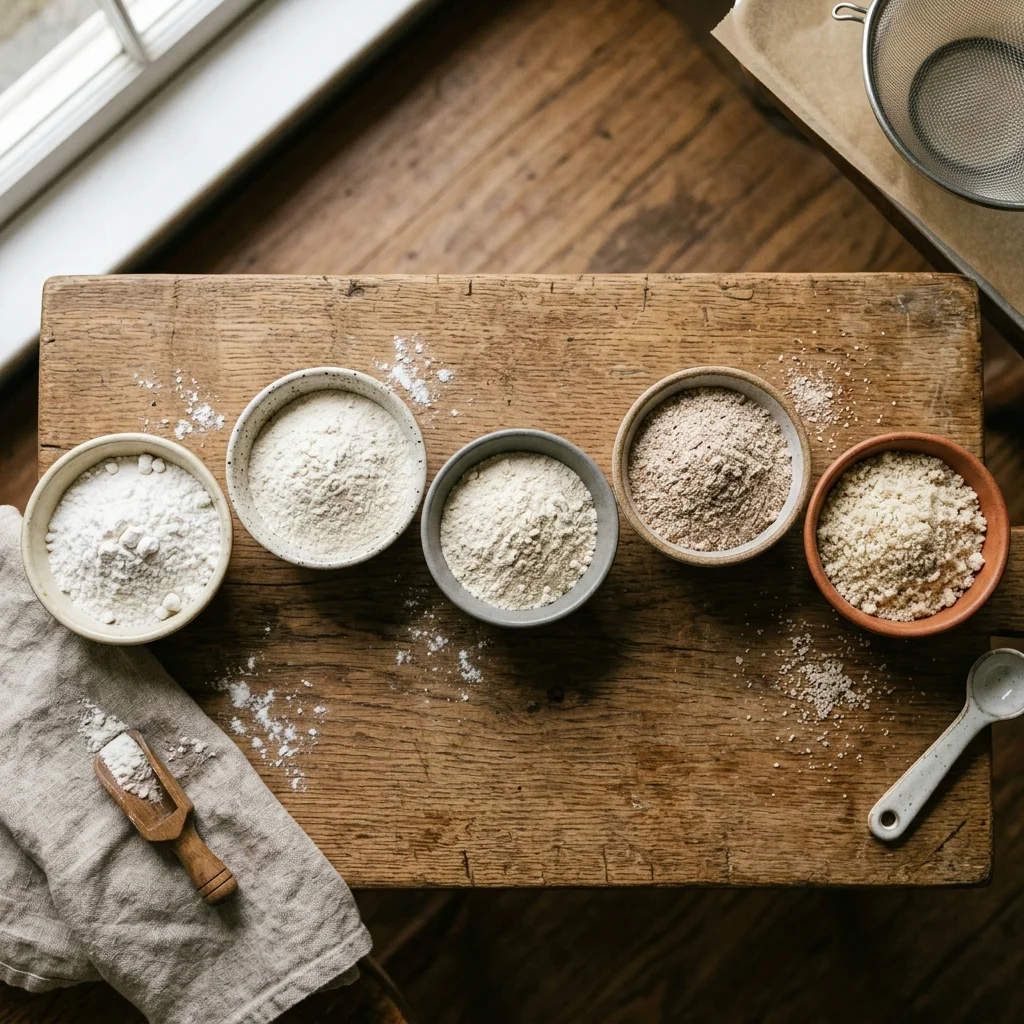
What Is Dutch-Process Cocoa Powder?
Dutch-process cocoa powder (also called alkalized cocoa) was invented in the 1820s by Dutch chocolatier Coenraad van Houten. To soften the natural harshness and bitterness of raw cacao, solid cocoa nibs or powders are washed in an alkaline solution, typically potassium carbonate (K₂CO₃) or sodium carbonate.
This chemical washing process neutralizes the natural cocoa acids, elevating the cocoa's pH level to approximately 7.0 to 8.0 (neutral to mildly alkaline). Alkalization breaks down bitter flavanols and alters the physical structure of cocoa solids. As a result, Dutch-process cocoa turns dark mahogany or nearly black, dissolves more readily in liquid, and delivers a velvety smooth, rounded chocolate taste without tartness.

Why Cocoa Acidity Matters
Baking chemistry relies on acid-base balance to dictate texture, volume, and visual appeal. On the pH scale (ranging from 0 for strong acids to 14 for strong bases), a value of 7.0 represents exact neutrality. Hydrogen ion concentration directly influences three critical baking phenomena:
- Chemical Leavening Activation: Chemical bases like sodium bicarbonate require hydrogen ions from an acidic ingredient to generate carbon dioxide gas (
CO₂) bubbles that expand in the oven. - Gluten Protein Tenderization: Acidic batters weaken wheat flour protein networks slightly, creating a softer, more delicate cake crumb. Conversely, alkaline batters strengthen protein bonding, producing sturdier or chewy textures.
- Maillard Browning & Pigmentation: Alkaline environments accelerate the Maillard browning reaction between amino acids and reducing sugars. Natural cocoa's acidity yields warm reddish hues (famous in Red Velvet cake), while Dutch cocoa's alkalinity yields deep espresso-black shades.
To explore how fundamental leavening agents behave, read our master guide on Baking Powder vs Baking Soda.
Cocoa Powder and Baking Soda
Baking soda is pure, concentrated sodium bicarbonate (a strong chemical base). When dissolved in batter, sodium bicarbonate reacts instantly with hydrogen ions supplied by acidic ingredients, releasing water, neutral salts, and carbon dioxide gas bubbles:
Because natural cocoa powder has a pH between 5.0 and 6.0, it provides sufficient acidity to react with baking soda in standard chocolate recipes. However, it is a mistake to state that natural cocoa always requires baking soda, or that Dutch cocoa can never be paired with it.
Recipe chemistry is complex. A recipe formulated with Dutch-process cocoa may still utilize baking soda if the batter includes other strong acidic ingredients, such as buttermilk, sour cream, yogurt, brown sugar, or lemon juice. The total pH of the entire wet batter dictates whether sodium bicarbonate will be fully neutralized, avoiding bitter alkaline off-tastes.
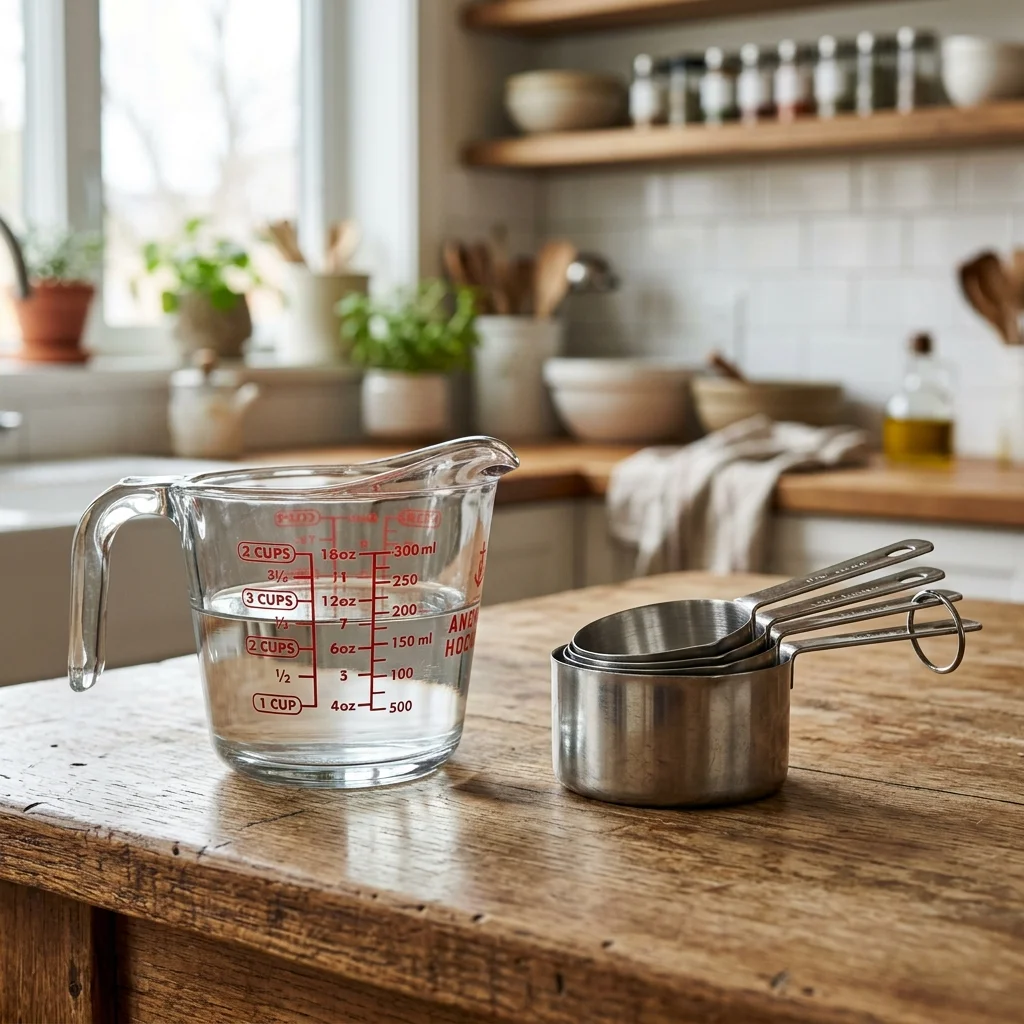
Cocoa Powder and Baking Powder
Unlike baking soda, baking powder is a complete, self-contained leavener. It contains sodium bicarbonate combined with dry acid salts (such as monocalcium phosphate and sodium aluminum sulfate) plus a moisture-absorbing starch buffer like cornstarch.
Because double-acting baking powder contains its own built-in acid, it does not rely on acidity from the cocoa powder to trigger carbon dioxide release. Consequently, baking powder works exceptionally well in recipes using neutralized Dutch-process cocoa powder. When liquid touches baking powder in the mixing bowl, the first stage of gas release begins, followed by a second surge when activated by oven heat, providing reliable vertical lift for spongy chocolate cakes and muffins.
Learn how accurate flour measurement supports chemical leaveners in How to Measure Flour Correctly.
Can You Substitute Dutch Cocoa for Natural Cocoa?
Substituting Dutch-process cocoa powder into a recipe written specifically for natural cocoa powder can be successful, but requires evaluating the recipe's leavening system:
- Unleavened Recipes (Safe to Substitute): In recipes that rely on no chemical leaveners, such as chocolate puddings, hot cocoa, fudgy ice cream, chocolate sauces, and simple butter frostings, Dutch cocoa can be substituted 1:1 for natural cocoa without structural issues. The dessert will simply look darker and taste smoother.
- Recipes Leavened by Baking Powder (Safe to Substitute): If the original recipe relies exclusively on baking powder for rise, substituting Dutch cocoa will not disrupt the leavening reaction, as baking powder provides its own acid.
- Recipes Leavened Solely by Baking Soda (Risky to Substitute): If a cake or cookie recipe relies solely on baking soda and contains no other acids (like buttermilk or brown sugar), swapping natural cocoa for neutral Dutch cocoa leaves sodium bicarbonate unneutralized. The bake will turn out dense, flat, and taste unpleasantly soapy.
Can You Substitute Natural Cocoa for Dutch Cocoa?
The inverse substitution, using natural cocoa powder in a recipe calling for Dutch-process cocoa, carries similar nuances:
- Flavor & Acidity Shift: Natural cocoa adds active fruit acidity to the batter. In unbaked frostings or sauces, natural cocoa will taste tangier and sharper than smooth Dutch cocoa.
- Interaction with Baking Powder: If a recipe calls for Dutch cocoa and baking powder, adding natural cocoa introduces extra acid. In most cakes, this extra acidity will not ruin the bake, but it may cause lighter crumb color and slightly higher rise.
- Excess Reaction with Baking Soda: If a recipe calling for Dutch cocoa already includes an acidic dairy ingredient (like buttermilk) paired with baking soda, using natural cocoa adds double acidity, which can neutralize all sodium bicarbonate too quickly and alter final browning.
Always follow the tested leavening system specified by professional recipe developers whenever possible.
Cocoa Powder Weight: Cups to Grams
Measuring cocoa powder by volume with measuring cups is notoriously inaccurate. Cocoa powder is finely milled and contains residual cocoa butter fats (typically 10% to 22% fat content), making it highly susceptible to air entrapment or heavy compaction.
The standard reference values below reflect verified density data from USDA FoodData Central and King Arthur Baking test kitchen standards:
| Volume Measurement | Unsifted Weight (Grams) | Lightly Sifted Weight (Grams) | Ounces (oz) | Primary Data Reference Source |
|---|---|---|---|---|
| 1 US Customary Cup | 85 g (84g – 86g) | 75 g – 80 g | 3.00 oz | USDA Foundation Foods / King Arthur Standards |
| 1/2 US Customary Cup | 42.5 g (43g) | 38 g – 40 g | 1.50 oz | King Arthur Baking Weight Reference |
| 1/3 US Customary Cup | 28.3 g (28g) | 25 g – 26 g | 1.00 oz | Standard Bulk Density Standard |
| 1/4 US Customary Cup | 21.3 g (21g) | 19 g – 20 g | 0.75 oz | King Arthur Baking Weight Reference |
| 1 Tablespoon (1 tbsp) | 5.3 g (5.3g) | 4.7 g – 5.0 g | 0.19 oz | USDA Standard (16 tbsp = 1 cup) |
Note: Values represent approximate culinary averages. Sifted cocoa powder traps air space, reducing mass per cup volume.
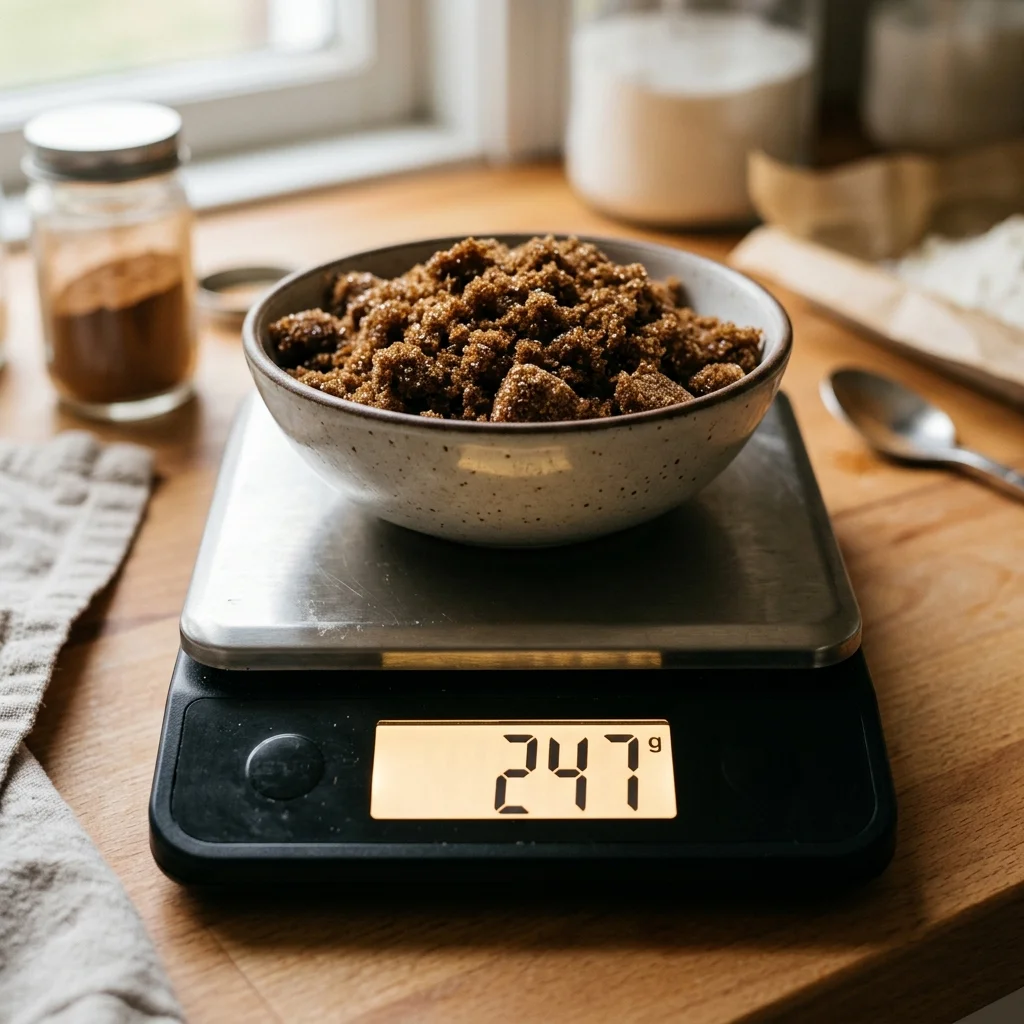
To cross-reference other essential baking ingredients, consult The Master Cups to Grams Baking Conversion Guide.
Why Cocoa Powder Should Often Be Sifted
Professional pastry chefs almost universally sift cocoa powder before adding it to dry or liquid ingredients. Sifting serves four crucial culinary purposes:
- Eliminating Cocoa Fat Lumps: Natural cocoa solids contain 10% to 22% residual cocoa butter fat. Under pantry storage, fat molecules bind fine powder particles into stubborn hydrophobic lumps that resist dissolving in cake batters or frostings.
- Aeration & Particle Dispersion: Passing cocoa through a fine wire mesh sifter separates individual powder particles, allowing them to hydrate evenly when mixed with liquid.
- Homogeneous Dry Distribution: Sifting cocoa together with flour, salt, and leaveners ensures uniform distribution throughout dry cake mixtures, preventing bitter pockets of concentrated cocoa.
- Volume Measurement Consistency: Unsifted cocoa scooped straight from a container can weigh 85g to 95g per cup due to packed clumps, whereas sifted cocoa yields a lighter 75g to 80g per cup.

How Cocoa Density Affects Conversions
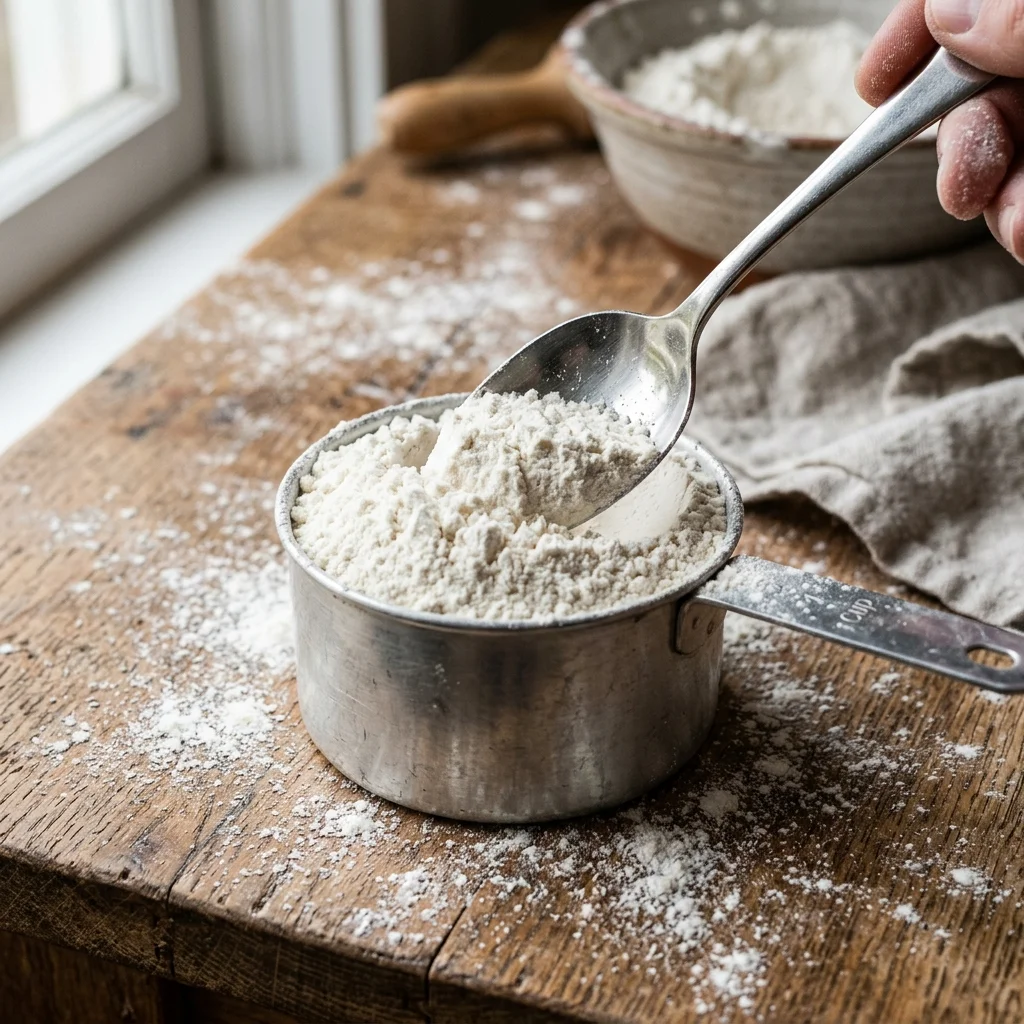
A common error among home bakers is assuming that 1 cup of cocoa powder weighs the same as 1 cup of all-purpose flour. In physical reality, 1 cup of cocoa powder weighs approximately 85 grams, whereas 1 cup of flour weighs 125 grams.
This variance stems from particle geometry and bulk density. Cocoa powder consists of porous, highly dried cocoa solids with a high surface area that traps microscopic air pockets. Flour, by contrast, contains dense starch granules and gluten proteins. Attempting to convert cocoa powder using flour density formulas over-measures cocoa by nearly 47%, yielding dry, bitter, and heavy baked goods.
For additional details on density-aware recipe conversions, see Top 7 Gram-to-Cup Conversion Mistakes.
Which Cocoa Is Better for Different Desserts?
Neither cocoa powder can be declared universally superior. The ideal cocoa choice depends on the specific texture, flavor profile, and visual aesthetics desired for each dessert:
Fudgy Brownies
Best Choice: Dutch-Process Cocoa. Alkalized cocoa creates dense, fudgy, dark mahogany brownies with a smooth, deep chocolate flavor that pairs perfectly with melted chocolate chunks.
Classic Chocolate Cakes
Best Choice: Natural Cocoa (or Recipe Specified). Natural cocoa provides fruit acidity to react with baking soda, producing lofty, tender crumbs in classic Devil's Food and Red Velvet layer cakes.
Chocolate Cookies
Best Choice: Both / Recipe Dependent. Natural cocoa paired with baking soda creates chewy cookies with crisp edges. Dutch cocoa creates rich, dark, Oreo-style chocolate cookies.
Frostings & Hot Cocoa
Best Choice: Dutch-Process Cocoa. Because no baking leavening is involved, Dutch cocoa's high solubility and smooth, non-acidic taste yield silkier buttercream frostings and richer hot chocolate drinks.

Explore cocoa performance in specialized recipes like our Ultimate Chocolate Chip Cookie Recipe, Moist Metric Banana Bread Recipe, and Fluffy American Pancakes Recipe.
How Cocoa Changes Color and Flavor
The visual color difference between natural and Dutch cocoa stems from chemical structural shifts in cocoa polyphenols (flavonoids). During Dutch alkalization, exposure to potassium carbonate oxidizes catechins and epicatechins, altering light absorption to produce dark brown, charcoal, or dark mahogany shades.
Flavor is similarly altered. Natural cocoa powder contains astringent tanic notes and citrusy top notes. Alkalization neutralizes these sharp organic acids, muting fruitiness while amplifying rich, roasted, earthy chocolate notes. This makes Dutch cocoa popular in European confectionery and dark chocolate baking.
Common Cocoa Conversion Mistakes
Avoid these six frequent errors when measuring and converting cocoa powder in baking:
- Treating Cocoa Powder Like Wheat Flour: Assuming 1 cup of cocoa weighs 125g (flour weight) rather than its true 85g weight.
- Using a Single Universal Gram Factor: Applying a generic 200g-per-cup factor across all dry ingredients. (Reference our Sugar Conversion Guide for comparison).
- Changing Cocoa Type Without Considering Leaveners: Swapping natural cocoa for Dutch cocoa in a recipe relying solely on baking soda without verifying secondary acids.
- Skipping the Sifting Step: Pouring unsifted cocoa powder directly into batter, leaving oily cocoa lumps in finished cakes.
- Packing Cocoa Powder into Measuring Cups: Dipping dry measuring cups straight into cocoa canisters, packing down powder and adding up to 20% excess mass.
- Assuming Dark Color Means Stronger Chocolate Flavor: Believing dark Dutch cocoa is automatically "stronger" than light natural cocoa; color indicates pH treatment rather than raw chocolate percentage.
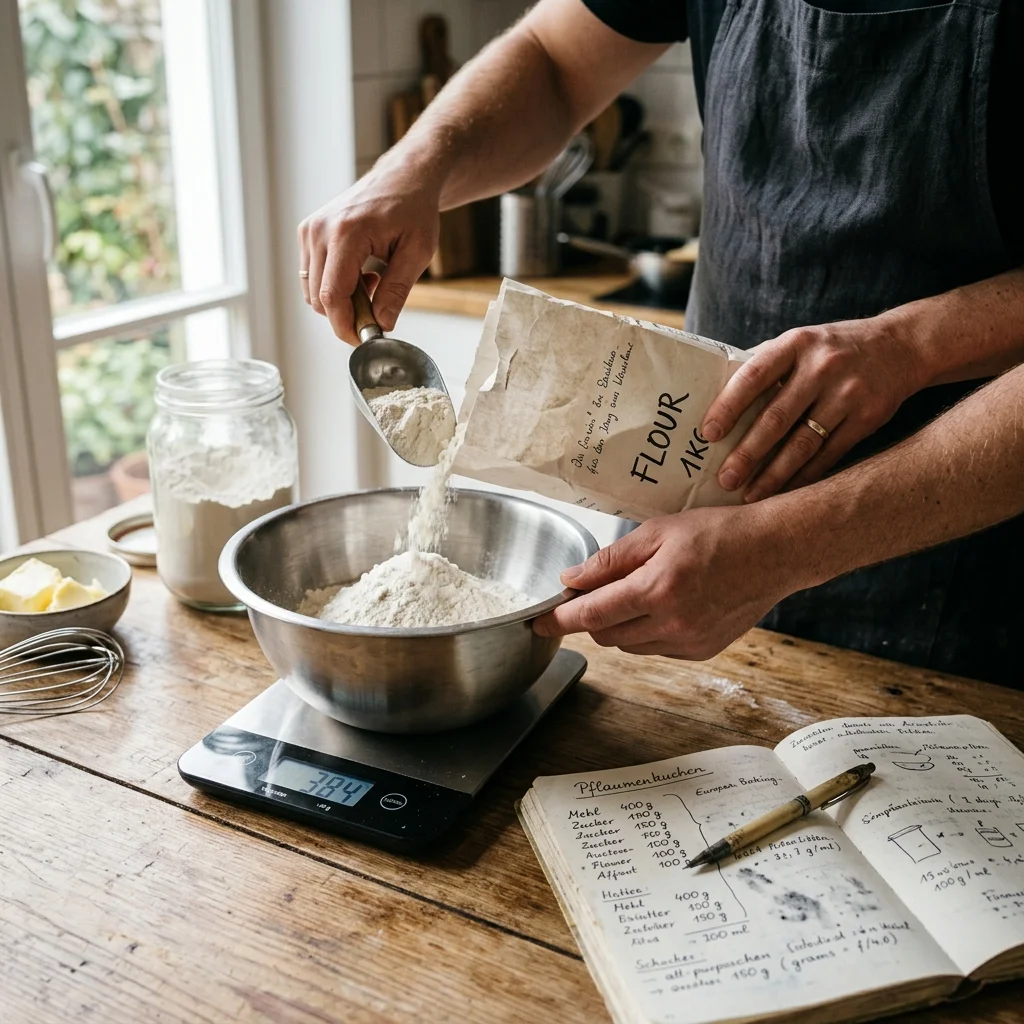
To eliminate volume measurement errors entirely, use a digital scale as detailed in our Step-by-Step Guide: How to Use a Digital Kitchen Scale for Baking.
Frequently Asked Questions
1. What is the difference between natural and Dutch cocoa?
Natural cocoa powder is non-alkalized, acidic (pH 5-6), lighter in color, and fruitier in flavor. Dutch-process cocoa powder is washed in an alkaline solution to neutralize acids (pH 7-8), turning it darker, smoother, and less bitter.
2. Which cocoa is acidic?
Natural cocoa powder is naturally acidic, with a pH between 5.0 and 6.0 due to organic fruit acids present in raw cacao beans.
3. Can I substitute Dutch cocoa for natural cocoa?
Yes, in recipes that contain no chemical leaveners (like frostings or puddings) or recipes leavened by baking powder. In recipes leavened solely by baking soda, Dutch cocoa lacks the acid needed for proper rising unless other acidic ingredients are present.
4. Can I substitute natural cocoa for Dutch cocoa?
Yes, though natural cocoa will add a sharper, fruitier flavor and lighter color. In baked goods with baking powder, natural cocoa works fine, but in unbaked frostings it will taste slightly tangier.
5. Does Dutch cocoa need baking soda?
Not directly. Dutch cocoa is chemically neutral and does not react with baking soda on its own. However, recipes using Dutch cocoa may still use baking soda if other acidic ingredients (like buttermilk, sour cream, or brown sugar) are present in the batter.
6. Does natural cocoa need baking soda?
Natural cocoa powder naturally reacts with baking soda to release carbon dioxide gas, but it does not strictly require baking soda. Some recipes pair natural cocoa with baking powder for vertical lift.
7. How many grams are in a cup of cocoa powder?
One US customary cup of unsweetened cocoa powder weighs approximately 85 grams according to USDA FoodData Central and King Arthur Baking standards. Sifted cocoa powder weighs roughly 75 to 80 grams per cup.
8. Should cocoa powder be sifted?
Yes. Sifting cocoa powder breaks up lumps caused by cocoa butter fats, aerates the powder, and ensures smooth, even distribution throughout dry ingredients and wet batters.
9. Is Dutch cocoa darker?
Yes. Alkalization changes the pigment structure of cocoa solids, giving Dutch-process cocoa powder a deep dark mahogany, brown, or nearly black appearance.
10. Which cocoa is best for brownies?
Dutch-process cocoa powder is widely preferred for brownies because its low acidity and dark color yield rich, fudgy, deep chocolate squares with smooth flavor.
11. Which cocoa is best for cookies?
Both work well depending on the cookie type. Natural cocoa paired with baking soda encourages lateral spread and chewy texture, while Dutch cocoa produces dark, intensely chocolate cookies.
12. Can I use Dutch cocoa in a recipe calling for natural cocoa?
You can safely use Dutch cocoa if the recipe uses baking powder for leavening, or if there are other acidic ingredients present to neutralize any baking soda in the recipe.
Interactive Cocoa Powder Converter
Convert grams to cups for Dutch-process and natural cocoa.
Interactive Cocoa Powder Converter
Convert grams to cups for Dutch-process and natural cocoa.
Custom package weights override standard database densities for this session without altering official database records.
Need Full Density Reference Tables?
Explore complete g/cup density tables, USDA ratios, and measurement tools.
Related Baking Guides
US Cup vs Metric Cup vs Imperial Cup: The International Baking Guide
Learn the difference between US, metric, and Imperial cups, their milliliter sizes, and how to convert international baking recipes accurately.
Baking ScienceWhy Baking by Weight Is Superior to Measuring by Volume
Learn why weighing baking ingredients in grams is more accurate than cups, how density affects volume, and how a kitchen scale improves consistency.
Baking ScienceHow to Bake European Recipes in an American Kitchen
Learn how to convert European baking recipes for an American kitchen, including grams, milliliters, Celsius, gas marks, cups, and ingredient weights.